Non-Binary: ขบวนการเคลื่อนไหว ในโลกที่ไม่ได้มีแค่ 2 เพศ
[For English, please scroll down.]
ในศตวรรษที่ 21 ภารกิจสำคัญของมนุษยชาติคือการทำความเข้าใจความลุ่มลึกของตัวตนที่ก้าวพ้นกรงขังของระบบทวิลักษณ์ การทำความเข้าใจ "Non-Binary" จึงมิใช่เพียงการเรียนรู้อัตลักษณ์ใหม่ แต่คือการร่วม "รื้อถอนบรรทัดฐาน" (Deconstruction) ที่ถูกสถาปนาขึ้นเพื่อจำกัดนิยามความเป็นมนุษย์ การรื้อถอนนี้คือหัวใจสำคัญที่จะนำเราไปสู่สังคมที่โอบรับความหลากหลายอย่างแท้จริง โดยคืนศักดิ์ศรีและพื้นที่ในการดำรงอยู่ให้แก่ทุกปัจเจกบุคคล
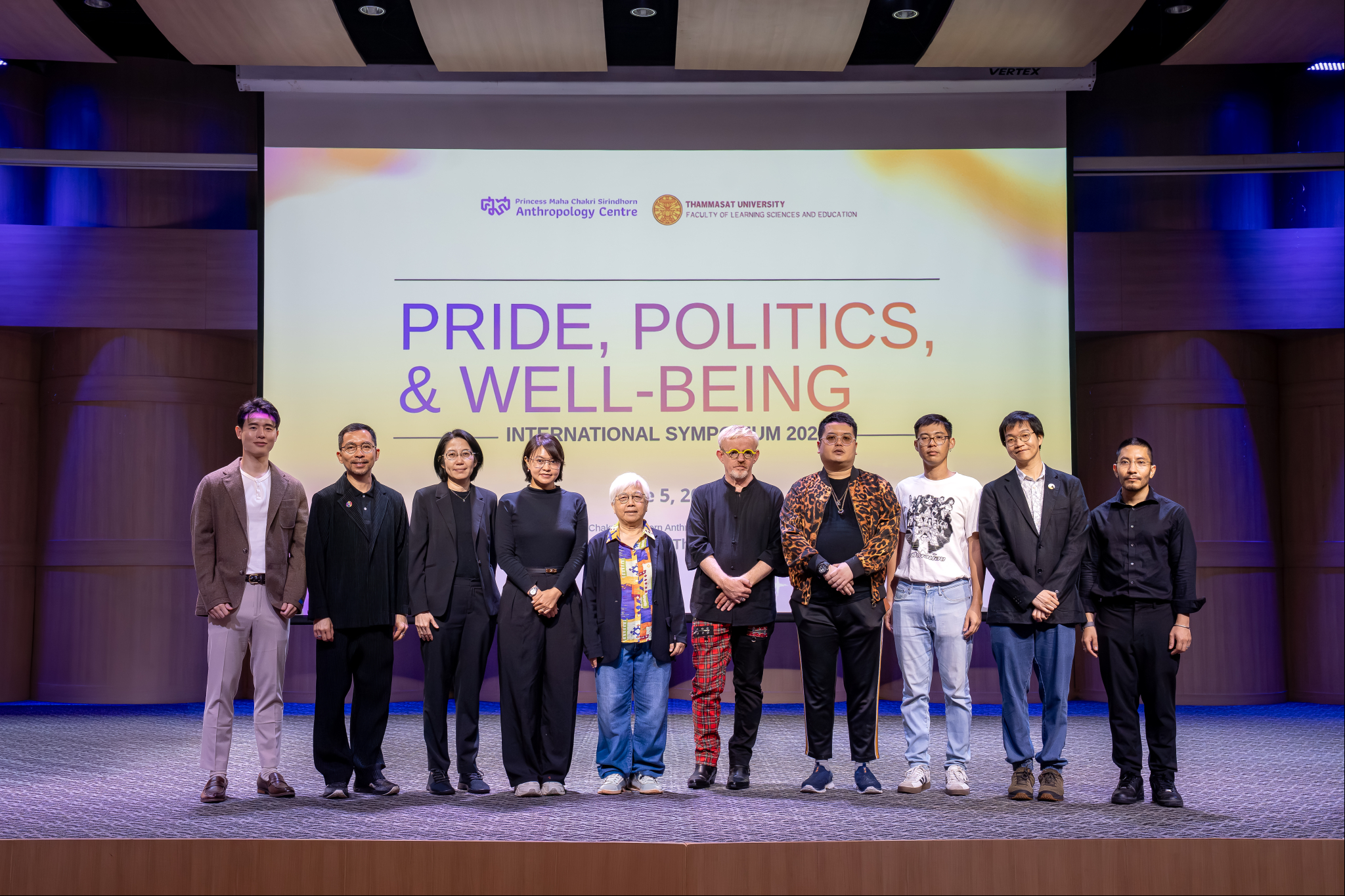
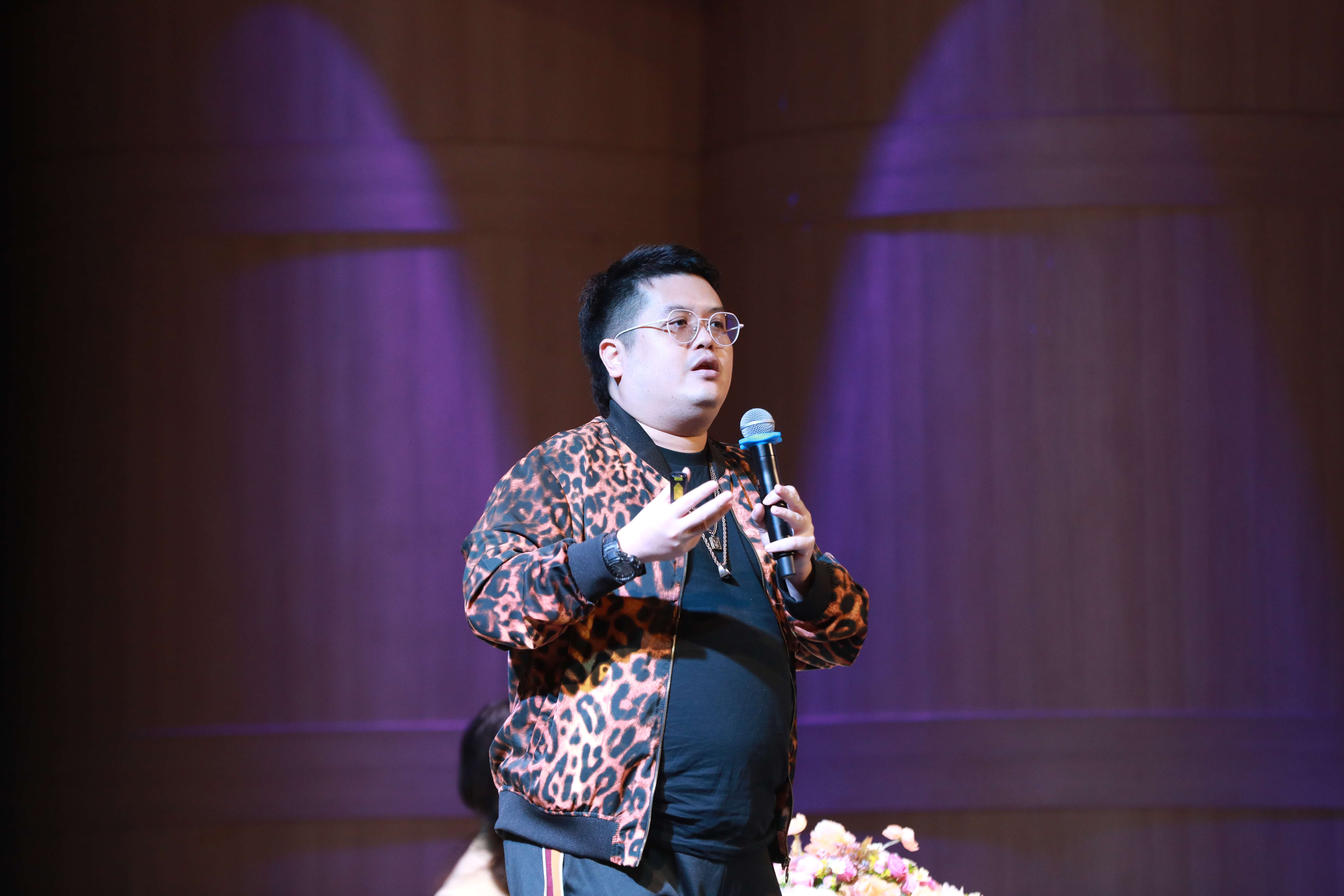
ในเวที Pride, Politics, and Well-Being เมื่อวันที่ 5 มิถุนายน 2569 ณ ศูนย์มานุษยวิทยาสิรินธร (องค์การมหาชน) คุณวรภัทร วีรพัฒนคุปต์ (คุณต้อง) จาก Non-Binary Thailand หัวข้อ “Non-Binary: โลกไม่ได้มีแค่ 2 เพศ การรื้อถอนบรรทัดฐานทวิลักษณ์ สู่มานุษยวิทยาแห่งความหลากหลาย” ชวนสำรวจความหมายของ "Non-Binary" ผ่านมุมมองทางมานุษยวิทยา ประวัติศาสตร์ และการเมืองเรื่องอัตลักษณ์ทางเพศ
นิยามและขอบเขตของอัตลักษณ์ทางเพศ (Identity as a Spectrum)
Non-binary คือ "คำร่ม" (Umbrella Term) ที่ใช้เรียกอัตลักษณ์ทางเพศซึ่งไม่จำกัดอยู่เพียงแค่ “ชาย” หรือ “หญิง” โดยให้ความสำคัญกับ “สำนึกภายใน” (Gender Identity) มากกว่าเพศชีววิทยา (Sex)
อย่างไรก็ตาม นอนไบนารีไม่ได้หมายถึงอัตลักษณ์ทางเพศแบบใดแบบหนึ่งเท่านั้น แต่ยังครอบคลุมสำนึกทางเพศที่หลากหลายภายใต้ร่มเดียวกัน เช่น Bigender หรือการมีมากกว่าหนึ่งเพศในตัวเอง, Genderfluid หรือความลื่นไหลทางเพศที่เปลี่ยนแปลงไปตามกาลเวลาและบริบท, Agender หรือการไม่มีเพศสภาพและอยู่นอกนิยามชายหญิงโดยสิ้นเชิง รวมถึง Xenogender ซึ่งเป็นอัตลักษณ์ทางเพศที่ยึดโยงกับสิ่งอื่นนอกเหนือจากกรอบเพศแบบดั้งเดิม และเป็นกลุ่มที่มักเผชิญการวิพากษ์วิจารณ์หรือการโจมตีมากที่สุด
การนิยามที่ลุ่มลึกเช่นนี้พิสูจน์ว่า Non-binary ไม่ได้กำลังช่วยสั่นคลอนแค่ความหมายของเพศ แต่กำลังรื้อถอน "ระบบความสัมพันธ์" และ "อำนาจนิยม" ที่กำกับร่างกายของมนุษย์
รากเหง้าทางมานุษยวิทยาและการรื้อถอนอาณานิคมทางเพศ
คุณวรภัทรชวนมองประวัติศาสตร์ผ่านเลนส์ทางมานุษยวิทยา โดยตั้งข้อสังเกตว่า ระบบสองเพศ (Gender Binary) ที่ผู้คนจำนวนมากคุ้นเคยในปัจจุบัน อาจไม่ใช่ความจริงสากลที่มีอยู่ในทุกสังคมมาตั้งแต่ต้น แต่มันคือผลผลิตของความรุนแรงเชิงโครงสร้างที่ซ่อนอยู่ในการล่าอาณานิคม
หากเปิดบันทึกของมนุษยชาติในหลากหลายภูมิภาค เราจะเห็นภาพของผู้คนที่มีตัวตนลื่นไหลและทรงพลัง ไม่ว่าจะเป็นความเชื่อเรื่อง Two-Spirit ในอเมริกาเหนือ ซึ่งมองว่าจิตวิญญาณสองดวงสามารถอาศัยอยู่ในร่างเดียวได้อย่างงดงาม กลุ่ม Hijra หรือคนข้ามเพศในเอเชียใต้ ซึ่งมีบทบาททางจิตวิญญาณและพิธีกรรมศักดิ์สิทธิ์มายาวนานกว่า 2,000 ปี (Nanda, 1990) ระบบ 5 เพศสภาพของชนเผ่า Bugis ในอินโดนีเซีย ที่ยอมรับตัวตนที่หลากหลายทั้งเกย์ เลสเบียน และ Bisus (ผสมทั้งชายและหญิง) โดยคนเป็นBisusมักเป็นผู้นำการประกอบพิธีกรรม (Davies, 2007) ตลอดจน Muxe ในเม็กซิโก ซึ่งดำรงอยู่อย่างกลมกลืนเป็นหัวใจของชุมชน
ความหลากหลายเหล่านี้ถูก “ทำให้หายไป” ผ่านแนวคิด “Colonization of Gender” หรือการล่าอาณานิคมทางเพศสภาพ ของ Maria Lugones (2007) ซึ่งเสนอว่า ตะวันตกไม่ได้เพียงยึดครองดินแดน แต่ยังนำค่านิยมแบบวิกตอเรียเข้ามา 'จัดระเบียบ' โลกใหม่ โดยการกดทับและตีตราให้ความหลากหลายเหล่านี้กลายเป็น 'ความผิดปกติ' เพื่อที่โครงสร้างสังคมแบบชายหญิงที่สมบูรณ์จะได้ปกครองและควบคุมได้ง่ายขึ้น
การกำกับจารีตทางเพศในวันนั้น คือพันธนาการที่ส่งผลสืบเนื่องมาจนถึงปัจจุบัน ดังนั้น การทำความเข้าใจความหลากหลายนี้จึงไม่ใช่แค่เรื่องของอดีต แต่มันคือการ 'รื้อถอน' (Deconstruction) ความเชื่อที่ผิดเพี้ยน เพื่อคืนศักดิ์ศรีและความเป็นมนุษย์ให้กับคนทุกคน
วิวัฒนาการทางการเมืองและพื้นที่ทางวิชาการ
เมื่อตัวตนถูกลบเลือนด้วยอำนาจอาณานิคม การสร้าง "ถ้อยคำ" (Terminology) จึงเปรียบเสมือนการทวงคืนอำนาจต่อรองและการมีตัวตนในพื้นที่สาธารณะ
ในช่วงทศวรรษ 1990 ได้เกิดการใช้คำว่า “Genderqueer” เพื่อท้าทายกรอบความคิดเรื่องเพศแบบดั้งเดิม โดยเฉพาะการนำคำว่า “Queer” ซึ่งเดิมเคยถูกใช้เป็นคำด่าหรือคำเหยียดกลับมานิยามใหม่ในฐานะอัตลักษณ์ทางเพศและเครื่องมือทางการเมือง ต่อมาในช่วงทศวรรษ 2000 คำว่า “Non-binary” เริ่มได้รับความนิยมมากขึ้นในฐานะคำที่ใช้สื่อสารในแวดวงวิชาการ สิทธิมนุษยชน
ความเปลี่ยนแปลงดังกล่าวค่อย ๆ ขยายเข้าสู่สถาบันกระแสหลักมากขึ้น ตั้งแต่ช่วงปี 2014 เป็นต้นมา ทั้งสื่อสังคมออนไลน์และสถาบันทางภาษาเริ่มยอมรับความหลากหลายทางเพศในระดับที่เป็นรูปธรรมมากขึ้น เช่น การที่ Facebook เปิดให้ผู้ใช้เลือกอัตลักษณ์ทางเพศได้หลากหลายรูปแบบ หรือการที่พจนานุกรม Merriam-Webster ยอมรับการใช้ “they” ในฐานะสรรพนามเอกพจน์สำหรับบุคคลนอนไบนารี
ในบริบททางวิชาการ งานของคุณนฤพนธ์ ด้วงวิเศษ (2560) อธิบายว่า การประชุม Queer Theory ที่มหาวิทยาลัยแคลิฟอร์เนียแห่งซานตาครูซ ในปี 1990 ถือเป็นจุดเปลี่ยนสำคัญของการศึกษาด้านเพศวิถี เพราะเป็นช่วงเวลาที่นักวิชาการและนักกิจกรรมเริ่มนำคำว่า “Queer” ซึ่งเคยเป็นคำเหยียดกลับมาใช้เป็นเครื่องมือทางการเมืองและการผลิตความรู้ การเคลื่อนไหวดังกล่าวได้สร้างแรงสั่นสะเทือนต่อวงวิชาการด้านเพศวิถีอย่างมาก และมีส่วนสำคัญต่อการก่อรูปของวัฒนธรรมเควียร์ร่วมสมัย
ต่อมาในปี 1991 การอภิปรายเรื่องเควียร์ที่มหาวิทยาลัยรัสเกอร์ส เป็นจุดเริ่มของการขยับจากประเด็นสภาวะเพศเลื่อนไหล มาสู่การสร้างพื้นที่ทางวัฒนธรรมและการเมืองของเควียร์
มานุษยวิทยาแห่งความลื่นไหลและสุขภาวะ
ในมุมมองมานุษยวิทยาสมัยใหม่ ความเข้าใจเรื่องเพศที่ลื่นไหลมิใช่เรื่องผิดปกติ แต่คือหัวใจของการสร้าง "สุขภาวะ" (Well-being) และการเคารพความเป็นมนุษย์
แนวคิดดังกล่าวค่อย ๆ พัฒนาขึ้นควบคู่กับความเปลี่ยนแปลงในวงวิชาการ ช่วงทศวรรษ 1970 นักมานุษยวิทยาในสหรัฐอเมริกาได้ร่วมกันก่อตั้ง The Anthropology Research Group on Homosexuality เพื่อผลักดันการศึกษาที่ต่อต้านอคติและความเกลียดกลัวผู้มีความหลากหลายทางเพศ ก่อนจะพัฒนาเป็น Association for Queer Anthropology (AQA) ในปี 2010 สะท้อนให้เห็นว่าความหลากหลายทางเพศไม่ได้เป็นเพียงประเด็นทางสังคม แต่กลายเป็นพื้นที่สำคัญของการสร้างองค์ความรู้ทางมานุษยวิทยา
นักมานุษยวิทยาหลายคนยังเสนอให้มองอัตลักษณ์ทางเพศในฐานะส่วนหนึ่งของกระบวนการผลิตความรู้ Jim Wafer (1996, 2000) เสนอแนวคิดเรื่อง Reflexivity หรือการสะท้อนกลับ โดยชี้ว่าอัตลักษณ์ทางเพศของผู้วิจัยคือส่วนหนึ่งของการสร้างความรู้ การยอมรับตัวตนที่ลื่นไหลของทั้งผู้ศึกษาและผู้ถูกศึกษาจะนำไปสู่ความเข้าใจที่เที่ยงตรงยิ่งขึ้น
แนวคิดดังกล่าวสอดคล้องกับกระบวนการ Depathologization หรือการเลิกมองความหลากหลายทางเพศเป็นความผิดปกติทางการแพทย์และจิตเวช องค์กรวิชาชีพอย่าง American Psychological Association (APA, 2015) ได้กำหนดแนวปฏิบัติที่มองความหลากหลายทางเพศในฐานะความหลากหลายตามธรรมชาติของมนุษย์ ขณะที่หลักการ Yogyakarta Principles plus 10 (2017) ก็ยืนยันสิทธิในการกำหนดอัตลักษณ์ทางเพศด้วยตนเอง (Self-Identification) และสิทธิในการดำรงชีวิตอย่างมีศักดิ์ศรีโดยปราศจากการเลือกปฏิบัติ
ในทางมานุษยวิทยา แนวคิดเรื่อง Sexual Subjectivity หรือพลวัตของตัวตนทางเพศ ยังได้รับการอธิบายผ่านกรณีศึกษาจากหลากหลายสังคมทั่วโลก ไม่ว่าจะเป็นงานของ Evans-Pritchard ที่ศึกษาความสัมพันธ์แบบ “Male Wives” (ภรรยาที่เป็นชาย) ในกลุ่ม Azande งานของ Blackwood ที่ศึกษากลุ่ม “Tombois” (ผู้หญิงที่แสดงอัตลักษณ์เป็นชายและมีคู่ชีวิตเป็นผู้หญิง) ในอินโดนีเซียที่ท้าทายบรรทัดฐานรักต่างเพศในบริบทศาสนา หรือการศึกษาของ Mark Padilla ในภูมิภาคแคริบเบียนที่พบว่า ผู้ชายซึ่งนิยามตนเองว่าเป็นชายรักต่างเพศสามารถมีพฤติกรรมทางเพศที่ลื่นไหลตามบริบทเศรษฐกิจและการท่องเที่ยว โดยให้บริการทางเพศแก่นักท่องเที่ยวที่เป็นเกย์ได้
ขณะเดียวกัน แนวคิดเรื่อง Xenogender ซึ่งคุณอรณิชา พลิกนา (2565) อธิบายถึงสำนึกทางเพศที่เชื่อมโยงกับสิ่งรอบตัว เช่น เพศแมว เพศแม่มด นี่คือ "พรมแดนขั้นสูงสุดของอำนาจเหนือร่างกายและจิตใจ" (Ultimate Frontier of Autonomy) ที่บุคคลมีสิทธิเต็มที่ในการนิยามตนเองโดยไม่ต้องอ้างอิงกรอบชาย-หญิง แต่ก็เป็นเพศที่โดนแรงเสียดทานทางสังคมมาก เพราะถูกมองว่าผิดจากความปกติซึ่งนิยามเพศตนเองโดยไม่ยึดกับลักษณะกายภาพทางเพศ
สรุปความเป็นนอนไบนารีผ่านสีของธง
อีกวิธีหนึ่งในการทำความเข้าใจความหลากหลายภายใต้ร่มของนอนไบนารี คือการมองผ่านธงนอนไบนารี (Non-binary Flag) ซึ่งออกแบบโดย Kye Rowan ในปี 2014 เพื่อสะท้อนความแตกต่างของผู้คนที่นิยามตนเองอยู่นอกกรอบเพศแบบชาย–หญิง
สีเหลืองแทนผู้ที่อยู่นอกระบบสองเพศโดยสิ้นเชิง สีขาวแทนผู้ที่มีมากกว่าหนึ่งเพศหรือมีอัตลักษณ์แบบ Multigender สีม่วงสื่อถึงความผสมผสานหรือความลื่นไหลระหว่างความเป็นชายและหญิง ส่วนสีดำแทนผู้ที่ไม่มีเพศสภาพหรือ Agender
ทั้งนี้ในความเป็นนอนไบนารีนั้น บุคคลคนหนึ่งไม่จำเป็นต้องมีเพศสภาพแบบเดียว หรือเปรียบกับเฉดสีแค่สีเดียว
การขับเคลื่อนของชุมชนนอนไบนารีในไทย
การรวมตัวของชุมชนนอนไบนารีไทยเริ่มเห็นภาพชัดขึ้นตั้งแต่ราวปี 2558 เมื่อชาวนอนไบนารีกลุ่มหนึ่งซึ่งเรียกตนเองว่า “4Queens” ร่วมกันก่อตั้งกลุ่ม Infinity Mirror ก่อนจะพัฒนาต่อมาเป็น “Non-Binary Thailand” เพื่อทำหน้าที่เชื่อมโยงสมาชิกและสร้างพื้นที่สำหรับผู้ที่มีอัตลักษณ์ทางเพศนอกกรอบชาย–หญิง นอกจากนี้ยังมีการจัดทำเพจ “นอกกล่องเพศ : Non-Binary” เพื่อเผยแพร่ความรู้และสร้างความเข้าใจเกี่ยวกับนอนไบนารีในสังคมไทย
ต่อมา การขับเคลื่อนเริ่มขยายตัวสู่การทำงานเชิงโครงสร้างมากขึ้น ทั้งการจัดตั้ง D-Unit ซึ่งทำงานด้านประชาธิปไตยและความเสมอภาคทางเพศ และ IR-Unit ซึ่งมุ่งสร้างเครือข่ายความร่วมมือกับชุมชนนอนไบนารีในต่างประเทศ ระหว่างปี 2561–2563 ยังมีความพยายามผลักดันประเด็นนอนไบนารีเข้าสู่พื้นที่การเมืองผ่านการก่อตั้ง NGN-ENBY ภายในพรรคอนาคตใหม่ แม้การดำเนินงานจะยุติลงภายหลังการยุบพรรคก็ตาม
หลังปี 2563 ชุมชนนอนไบนารีในไทยมีการขยายตัวและแตกแขนงออกเป็นเครือข่ายย่อยจำนวนมาก ก่อนจะเกิดการรวมตัวในนาม “FreeEnbyTH” ซึ่งทำงานอย่างอิสระมากขึ้น ขณะเดียวกันก็มีความพยายามสร้างพื้นที่ทางจิตวิญญาณและความเชื่อผ่านโครงการ ENWIP-TH หรือสมาคมวิตช์และผู้ศึกษาเวทมนตร์แห่งชุมชนเอ็นบี้ แต่ไม่สำเร็จตามที่ตั้งใจไว้
การเคลื่อนไหวยังคงดำเนินต่อเนื่อง และในปี 2567 ได้เกิด “สัปภาคีนอนไบนารีเพื่อการระบุเพศ” (HCNL) ที่ตั้งขึ้นเพื่อทำงานประเด็นรับรองสำนึกทางเพศอีกครั้งที่แข็งแกร่งและเป็นระบบกว่าเดิม
ผลงานสำคัญของNon – Binary Thailand
องค์กร Non – Binary Thailand มีทั้งกระบวนการเยียวยาให้คำปรึกษาแก่คนในชุมชนทั้งทางออนไลน์ - ออฟไลน์ มีกิจกรรมรณรงค์ต่างๆ การสื่อสารความรู้ต่อสังคม ไปจนถึงการได้มีส่วนร่วมร่างกฎหมายที่มีความสำคัญต่อชุมชนความหลากหลายทางเพศ ดังนี้
ในด้านการสร้างความรู้ กลุ่มใช้แฟนเพจ “นอกกล่องเพศ ; Non-Binary” เป็นพื้นที่เผยแพร่ข้อมูลเกี่ยวกับนอนไบนารีและความหลากหลายทางเพศ ควบคู่กับการสร้างชุมชนทั้งออนไลน์และออฟไลน์ เพื่อสร้างการเรียนรู้และเยียวยาจิตใจชาวชุมชนนอนไบนารี
ขณะเดียวกัน กลุ่มยังมีบทบาทสำคัญในการผลักดันการเปลี่ยนแปลงเชิงนโยบาย โดยในปี 2562 ได้เสนอให้พรรคอนาคตใหม่ประกาศนโยบายแก้ไขประมวลกฎหมายแพ่งและพาณิชย์ มาตรา 1448 เพื่อให้บุคคลทุกเพศสามารถสมรสกันได้ ซึ่งต่อมากลายเป็นที่มาของคำว่า “สมรสเท่าเทียม” ที่ถูกใช้กันอย่างแพร่หลายในสังคมไทย
ในการพิจารณาร่างกฎหมายสมรสเท่าเทียมในปี 2567 ผู้ร่วมก่อตั้ง Non-Binary Thailand หนึ่งคนร่วมเป็นกรรมาธิการวิสามัญในชั้นสภาผู้แทนราษฎร โดยมีคุณวรภัทรและสมาชิกชุมชนนอนไบนารีจำนวนหนี่งร่วมเป็นที่ปรึกษาคณะกรรมาธิการดังกล่าว จนในที่สุดกฎหมายสมรสเท่าเทียมได้ผ่านรัฐสภา และมีผลบังคับใช้
ปัจจุบัน เครือข่ายยังคงเดินหน้าผลักดันประเด็นสิทธิการรับรองอัตลักษณ์ทางเพศ ผ่านการรวมตัวขององค์กรความหลากหลายทางเพศในนาม “สัปภาคีนอนไบนารีเพื่อการระบุเพศ - HCNL” เพื่อเดินหน้าผลักดันให้มีกฎหมายรับรองสิทธิในการเลือกคำนำหน้านาม และเพศสภาพ บนหลัก Self-Identification
บทสรุป: การรับรองตัวตนคือรากฐานของความเท่าเทียม
การขับเคลื่อนเรื่อง Non-binary ไม่ใช่เพียงการเรียกร้องสิทธิเฉพาะกลุ่ม แต่คือ "การรื้อถอนอาณานิคมทางความคิด" (Decolonizing the Mind) ที่รัฐและสังคมใช้เพื่อจัดระเบียบและควบคุมมนุษย์ การรับรองอัตลักษณ์ทางเพศด้วยตนเอง (Self-identification) คือกระบวนการก้าวพ้นกรงขังทางกฎหมายไปสู่การเชิดชูแก่นแท้ของความเป็นปัจเจกบุคคล โดยให้ความสำคัญกับความรู้สึกรับรู้เพศสภาพภายในจิตใจของตน (Gender Identity)
นี่คือการรื้อถอนอำนาจอาณานิคม เพื่อสร้างโลกที่โอบรับทุกความลุ่มลึกของมนุษย์ โลกที่ทุกคนสามารถยืนหยัดและภาคภูมิใจในตัวตนของตนเองได้อย่างมีศักดิ์ศรี และปราศจากการเลือกปฏิบัติในทุกมิติ ซึ่งยังจำเป็นต้องมีการขับเคลื่อนในเชิงกลไกกฎหมายที่มุ่งให้บุคคลสามารถเลือกรับรองเพศของตนเองได้ อันจะนำไปสู่การเกิดนโยบายที่รองรับสุขภาวะของคนเพศนอนไบนารีต่อไป
เขียนโดย วรภัทร วีรพัฒนคุปต์
ตรวจทานโดย เอกนรี นาวี
[English version]
Non-Binary: A Movement in a World That Have More Than Two Genders
In the 21st century, a vital mission for humanity is to understand the depth of identity that transcends the confines of the gender binary system. Understanding "Non-Binary" is therefore not merely about learning a new identity, but participating in the "deconstruction" of norms established to limit the definition of being human. This deconstruction is the core essence that will lead us toward a society that genuinely embraces diversity, restoring dignity and space for existence to every individual.
At the "Pride, Politics, and Well-Being" forum held on June 5, 2026, at the Princess Maha Chakri Sirindhorn Anthropology Centre (Public Organization), Khun Vorapat Veerapattanakup (Khun Tong) from Non-Binary Thailand delivered a lecture titled “Non-Binary: A World Beyond Two Genders - Deconstructing the Gender Binary toward an Anthropology of Diversity.” He invited participants to explore the meaning of "Non-Binary" through anthropological, historical, and identity politics lenses.
Defining the Scope of Gender Identity: Identity as a Spectrum
Non-binary is an "umbrella term" used to describe gender identities that are not confined strictly to "male" or "female," prioritizing an individual's internal "gender identity" over their biological sex.
However, non-binary does not refer to just a single gender identity; rather, it encompasses a diverse array of internal gender awareness under the same umbrella, such as: Bigender: Having more than one gender within oneself. Genderfluid: Having a fluid gender identity that changes over time and context. Agender: Having no gender identity and existing completely outside the definitions of male and female. Xenogender: A gender identity anchored to concepts entirely outside traditional gender frameworks, which is the group that most frequently faces social criticism or attacks.
Such a profound definition proves that non-binary is not merely shaking up the meaning of gender, but is deconstructing the "relational systems" and "authoritarianism" that govern human bodies.
Anthropological Roots and the Decolonization of Gender
Khun Vorapat invited the audience to view history through an anthropological lens, observing that the "gender binary" system familiar to many today might not be a universal truth inherent to all societies from the beginning. Instead, it is the byproduct of structural violence hidden within colonialism.
If we open the historical records of various regions, we see portraits of people with fluid and powerful identities: The "Two-Spirit" belief in North America, which beautifully views two spirits as coexisting within a single body. The "Hijra" or transgender communities in South Asia, who have held spiritual roles and performed sacred rituals for over 2,000 years (Nanda, 1990). The five-gender system of the Bugis people in Indonesia, which embraces diverse identities such as gay, lesbian, and Bissu—an amalgamation of male and female elements who often act as ritual officiants (Davies, 2007). The "Muxe" in Mexico, who live harmoniously at the very heart of their communities.
These diversities were "made to disappear" through the concept of the "Colonization of Gender" by Maria Lugones (2007). Lugones posited that the West did not merely conquer territories; they imported Victorian values to "organize" a new world order. They suppressed and stigmatized these diversities as "abnormalities" so that a strict male-female social structure could govern and control populations more easily.
The regulation of gender customs back then became a shackle that continues to impact the present day. Therefore, understanding this diversity is not just about the past; it is about "deconstructing" distorted beliefs to restore dignity and humanity to everyone.
Political Evolution and Academic Spaces
When identity is erased by colonial power, creating "terminology" is akin to reclaiming bargaining power and visibility in public spaces.
During the 1990s, the term "Genderqueer" emerged to challenge traditional gender paradigms. In particular, the word "Queer", which was originally used as an insult or a derogatory slur, was reclaimed and redefined as both a gender identity and a political tool. Later, in the 2000s, the term "Non-binary" gained widespread popularity as a tool for communication within academic and human rights circles.
These changes gradually expanded into mainstream institutions. From 2014 onward, both social media platforms and linguistic institutions began to recognize gender diversity in more concrete ways. For example, Facebook allowed users to select from a wide array of gender identities, and the Merriam-Webster dictionary accepted the use of "they" as a singular pronoun for non-binary individuals.
In an academic context, the work of Narupon Duangwises (2017) explains that the Queer Theory conference at the University of California, Santa Cruz, in 1990 marked a major turning point in sexuality studies. It was a period when scholars and activists began reclaiming the derogatory term "Queer" to use as a political tool and a framework for knowledge production. This movement sent shockwaves through sexuality academia and played a vital role in shaping contemporary queer culture.
Subsequently, in 1991, queer discussions at Rutgers University marked the beginning of a shift from focusing purely on fluid gender states toward building cultural and political spaces for queer identities.
The Anthropology of Fluidity and Well-Being
In the view of modern anthropology, understanding fluid gender is not an abnormality, but the core foundation for building "well-being" and respecting human dignity.
This concept developed gradually alongside academic transformations. In the 1970s, anthropologists in the United States co-founded The Anthropology Research Group on Homosexuality to push for studies opposing prejudice and phobia against gender-diverse people. This group later evolved into the Association for Queer Anthropology (AQA) in 2010, reflecting that gender diversity is not merely a social issue but a crucial arena for producing anthropological knowledge.
Many anthropologists also propose viewing gender identity as part of the knowledge production process. Jim Wafer (1996, 2000) introduced the concept of "Reflexivity," pointing out that the researcher's own gender identity is part of knowledge creation. Recognizing the fluid identities of both the researcher and the research subjects leads to a more accurate and precise understanding.
This framework aligns with the process of "Depathologization"; the cessation of viewing gender diversity as a medical or psychiatric disorder. Professional organizations like the American Psychological Association (APA, 2015) established guidelines viewing gender diversity as a natural variation of humanity, while the Yogyakarta Principles plus 10 (2017) affirmed the right to self-identification and the right to live with dignity free from discrimination.
In anthropology, the concept of "Sexual Subjectivity" (the dynamics of sexual selfhood) is further illustrated through case studies from diverse societies worldwide: The work of Evans-Pritchard, which studied "Male Wives" relationships among the Azande. The work of Blackwood, which studied "Tombois" (individuals assigned female who express a masculine identity and have female partners) in Indonesia, challenging heteronormative norms within religious contexts. The study by Mark Padilla in the Caribbean, which found that men who define themselves as heterosexual can exhibit context-dependent fluid sexual behaviors driven by economic and tourism factors, providing sexual services to gay tourists.
Meanwhile, regarding the concept of "Xenogender," Onnicha Phlikna (2022) explains it as a gender consciousness connected to one's surroundings, such as "cat gender" or "witch gender." This represents the "Ultimate Frontier of Autonomy," where an individual holds full rights to define themselves without referencing a male-female blueprint. However, it is a gender expression that faces severe social friction because it is perceived as deviating from the norm by defining one's gender completely independent of physical sexual characteristics.
Summarizing Non-Binary Identity Through the Colors of the Flag
Another way to understand the diversity under the non-binary umbrella is through the Non-binary Flag, designed by Kye Rowan in 2014 to reflect the unique experiences of people identifying outside the male-female binary:
Yellow: Represents those whose identity exists completely outside the gender binary system. White: Represents those who have more than one gender or possess a multigender identity. Purple: Represents the mixture or fluidity between masculinity and femininity. Black: Represents those who have no gender or identify as agender.
Within a non-binary identity, a person does not need to be confined to a single gender expression, nor are they restricted to just one shade of color.
The Movement of the Non-Binary Community in Thailand
The mobilization of the Thai non-binary community began taking clear shape around 2015, when a group of non-binary individuals calling themselves "4Queens" co-founded the Infinity Mirror group. This group later evolved into "Non-Binary Thailand" to connect members and create spaces for those with gender identities outside the male-female binary. Additionally, they established the Facebook page "Nok Klong Phet: Non-Binary" (Outside the Gender Box: Non-Binary) to disseminate knowledge and build public understanding about non-binary identities in Thai society.
Later, their advocacy expanded toward structural work. They established D-Unit, which focuses on democracy and gender equality, and IR-Unit, which aims to forge collaborative networks with international non-binary communities. Between 2018 and 2023 (2561–2563 BE), there were also efforts to push non-binary issues into political spaces by founding NGN-ENBY within the Future Forward Party, though these activities ceased following the party's dissolution.
After 2020 (2563 BE), the non-binary community in Thailand expanded and branched into numerous sub-networks, eventually forming an alliance known as "FreeEnbyTH," which operates with greater independence. Simultaneously, there have been efforts to create spiritual and faith-based spaces through the ENWIP-TH project, also known as the Association of Witches and Magic Practitioners of the Enby Community —though these initiatives did not achieve their intended objectives. .
The movement has continued continuously, and in 2024 (2567 BE), the "Honorary Coalition for Non-Binary Gender Legalization" (HCNL) was formed to campaign for the legal recognition of gender consciousness in a stronger and more systematic manner than before.
Key Achievements of Non-Binary Thailand
The Non-Binary Thailand organization provides healing and counseling processes for community members both online and offline, runs various campaigns, communicates knowledge to society, and has participated in drafting laws crucial to the gender-diverse community, as follows:
Knowledge Production: The group utilizes the fan page “นอกกล่องเพศ ; Non-Binary” as a platform to share information regarding non-binary identities and gender diversity, alongside building online and offline spaces to foster learning and provide emotional healing for the non-binary community.
Policy Advocacy: The group played a significant role in pushing for policy changes. In 2019, they proposed that the Future Forward Party announce a policy to amend Section 1448 of the Civil and Commercial Code to allow individuals of any gender to marry. This proposal became the origin of the term "Marriage Equality" (สมรสเท่าเทียม), which is now widely used in Thai society.
Legislative Impact: During the deliberation of the Marriage Equality Bill in 2024 (2567 B.E.), a co-founder of Non-Binary Thailand served as a member of the Ad-Hoc Committee in the House of Representatives, with Vorapat Veerapatthanakupt and several members of the non-binary community serving as advisors. Ultimately, the Marriage Equality Act was successfully passed by Parliament and has since come into effect.
Currently, the network continues to push for gender identity recognition rights through a coalition of gender diversity organizations under the name "Honorary Coalition for Non-Binary Gender Legalization - HCNL," advocating for laws that guarantee the right to choose titles and gender markers based on the principle of Self-Identification.
Conclusion: Identity Recognition is the Foundation of Equality
Advocacy surrounding non-binary identities is not merely a demand for niche group rights; it is "Decolonizing the Mind" against the conceptual frameworks that the state and society use to organize and control human beings. Legal self-identification is the process of stepping out of legal cages to celebrate the core essence of individuality, placing ultimate importance on an individual's internal gender identity.
This is the deconstruction of colonial power to build a world that embraces every depth of humanity, a world where everyone can stand tall and take pride in who they are with dignity, free from discrimination in every dimension. This shift still requires legal mechanism advocacy aimed at allowing individuals to legally affirm their own gender, which will pave the way for policies supporting the well-being of non-binary people moving forward.
[This article was translated with the assistance of AI-based language tools. The final text was reviewed and edited by a human editor.]