
บทบาทของความขบขัน ในการต่อสู้เรื่องสิทธิ
[For English, please scroll down.]
“เห็นด้วยกับ PC นะคะ แต่เดี๋ยวขอขำให้เสร็จก่อน”
ประโยคสั้น ๆ นี้กลายเป็นจุดตั้งต้นของคำถามสำคัญในการศึกษาของ อ.ติณณภพจ์ ว่า การหัวเราะกับมุกที่ล้อเรื่องเพศ หรือมุกที่ดู “ไม่ถูกต้องทางการเมือง” จะมีหมายความถึงการไม่สนับสนุนสิทธิและความเท่าเทียมเสมอไปจริงหรือไม่
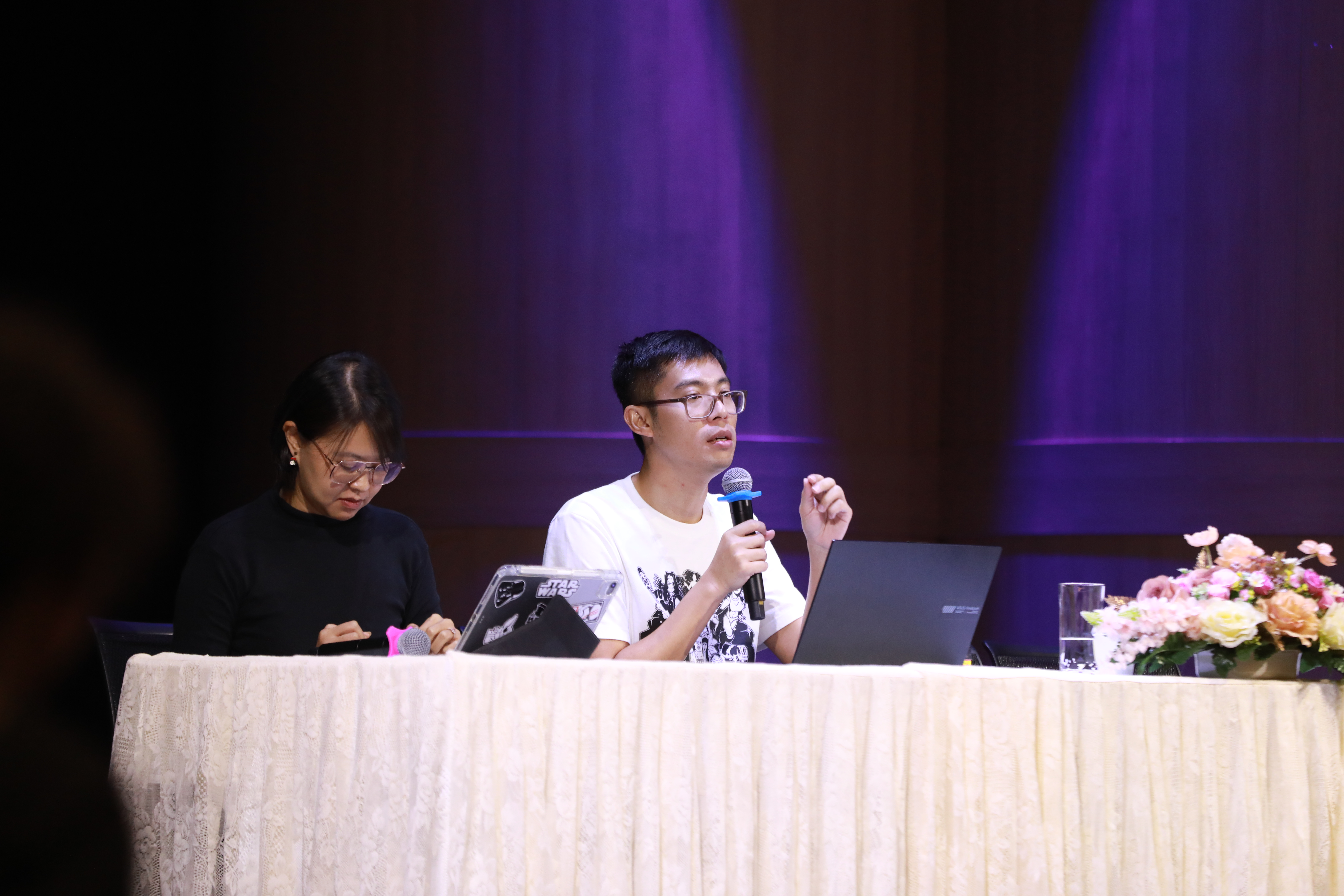
ในเวที PRIDE, POLITICS, & WELL-BEING เมื่อวันที่ 5 มิถุนายน 2569 ณ ศูนย์มานุษยวิทยาสิรินธร (องค์การมหาชน) ผู้ช่วยศาสตราจารย์ ติณณภพจ์ สินสมบูรณ์ทอง (อ.อาร์ม) จากคณะสังคมวิทยาและมานุษยวิทยา มหาวิทยาลัยธรรมศาสตร์ ชวนผู้เข้าร่วมสำรวจความสัมพันธ์ระหว่างอารมณ์ขัน สิทธิ และการเมืองเรื่องเพศ ผ่านการบรรยายหัวข้อ “เห็นด้วยกับ PC นะคะ แต่เดี๋ยวขอขำให้เสร็จก่อน: การเมืองเรื่องเควียร์ของสิทธิและความเป็นปึกแผ่นของผู้มีความหลากหลายทางเพศผ่านอารมณ์ขัน”
หากที่ผ่านมาเราคุ้นเคยกับการมองการเมืองเรื่องเพศผ่านการเคลื่อนไหว การชุมนุม หรือการผลักดันนโยบาย อ.ติณณภพจ์ ชวนมองอีกด้านหนึ่งว่า การเมืองอาจเกิดขึ้นได้ในพื้นที่ที่ดูธรรมดากว่านั้น ไม่ว่าจะเป็นมีมในอินเทอร์เน็ต การเล่นคำ หรือเสียงหัวเราะในชุมชนออนไลน์ เพราะการต่อสู้เพื่อสิทธิและการยอมรับ ก็ไม่ได้เกิดขึ้นเฉพาะในพื้นที่ที่จริงจังเสมอไป
เมื่อการเมืองเรื่องเพศเดินเข้าหาการเมืองประชาธิปไตย
การเมืองไทยในช่วง พ.ศ. 2563 เป็นช่วงเวลาที่ทำให้เห็นว่า การเรียกร้องประชาธิปไตยและการเรียกร้องสิทธิของผู้มีความหลากหลายทางเพศไม่อาจแยกออกจากกันได้อีกต่อไป ทั้งบนท้องถนนและในโลกออนไลน์ ประเด็นเรื่องสมรสเท่าเทียม ความเสมอภาคทางเพศ และสิทธิพลเมือง ถูกพูดถึงควบคู่ไปกับข้อเรียกร้องทางการเมืองอื่น ๆ อย่างชัดเจน
ขณะเดียวกัน Pop Culture และอารมณ์ขันก็ถูกนำมาใช้เป็นเครื่องมือสื่อสารทางการเมืองอย่างแพร่หลาย ตั้งแต่ม็อบแฮมทาโร่ ไปจนถึงการหยิบตัวละครจากภาพยนตร์หรืออินเทอร์เน็ตมาสื่อสารเรื่องที่ไม่สามารถพูดตรง ๆ ได้ในสังคมไทย
ในช่วงเวลาเดียวกัน แนวคิดเรื่อง “ความถูกต้องทางการเมือง” (Political Correctness หรือ PC) ก็ได้รับความสนใจมากขึ้น หลายคนมองว่าอารมณ์ขันเป็นเครื่องมือสำคัญในการท้าทายอำนาจ ขณะที่อีกหลายคนตั้งคำถามว่าการต่อสู้เพื่อสิทธิและศักดิ์ศรีควรดำเนินไปด้วยภาษาที่ระมัดระวังมากกว่านี้หรือไม่
ท่ามกลางการถกเถียงดังกล่าว จึงเกิดคำถามสำคัญขึ้นว่า ในวันที่การเมืองเรื่องสิทธิและศักดิ์ศรีกลายเป็นประเด็นหลักของสังคม อารมณ์ขันยังมีพื้นที่อยู่ตรงไหน และการหัวเราะกับมุกที่เกี่ยวข้องกับเพศหรืออัตลักษณ์ จะสามารถอยู่ร่วมกับการสนับสนุนสิทธิได้หรือไม่
นำไปสู่การศึกษาของ อ.ติณณภพจ์ ที่พยายามสำรวจบทบาทของอารมณ์ขันในฐานะพื้นที่ทางการเมืองรูปแบบหนึ่ง ผ่านชุมชนออนไลน์ที่เรียกตัวเองว่า “น้องง” ซึ่งกำลังสร้างวิธีสื่อสารเรื่องเพศ สิทธิ และการเมืองในแบบที่ต่างจากขบวนการเคลื่อนไหวกระแสหลักอย่างสิ้นเชิง
จักรวาลน้องง : เมื่อทุกอย่างกลายเป็น “น้องง”
ท่ามกลางบรรยากาศทางการเมืองหลังการรัฐประหาร และความรู้สึกอึดอัดที่ปกคลุมสังคมไทยในเวลานั้น ได้เกิดชุมชนออนไลน์แห่งหนึ่งที่เรียกตัวเองว่า “น้องง” เริ่มต้นจากเพจเฟซบุ๊กที่ใช้อารมณ์ขัน มีม และการล้อเลียนเป็นภาษาหลักในการสื่อสาร
สิ่งที่ทำให้น้องงแตกต่างจากเพจตลกทั่วไป คือการเรียกทุกสิ่งว่า “น้องง” ไม่ว่าจะเป็นสัตว์ สิ่งของ อาคารสถานที่ หรือแม้แต่บุคคลและสถาบันต่าง ๆ ในสังคม
สำหรับ อ.ติณณภพจ์ การทำให้ทุกอย่างกลายเป็น “น้องง” ไม่ใช่เพียงมุกตลก แต่เป็นวิธีมองโลกที่ดึงสิ่งซึ่งเคยดูสูงส่ง ศักดิ์สิทธิ์ หรืออยู่ไกลตัวผู้คน ให้ลงมาอยู่ในระนาบเดียวกัน จนสามารถถูกพูดถึง ล้อเลียน หรือหยอกล้อได้
“คำว่าน้องเริ่มขยายขนาดไปสู่การนำเอาผู้มีอำนาจในสังคมหรือสถาบันต่าง ๆ ในสังคมมาเป็นน้องงของเรา มาเป็นสิ่งที่ล้อเลียนได้ เอ็นดูได้ ลดทอนความศักดิ์สิทธิ์ ลดทอนความทรงอำนาจ”
จากเพจเล็ก ๆ ในโลกออนไลน์ น้องงค่อย ๆ เติบโตเป็นชุมชนที่เชื่อมโยงผู้คนผ่านกิจกรรมทั้งออนไลน์และออฟไลน์ ตั้งแต่กลุ่มพูดคุย นิทรรศการ ปาร์ตี้ ไปจนถึงการเข้าร่วมงาน Bangkok Pride จนเกิดเป็นสิ่งที่เรียกว่า “จักรวาลน้องง”
อารมณ์ขันเป็นการเมือง
ในช่วงที่สังคมไทยกำลังถกเถียงเรื่องประชาธิปไตย สิทธิมนุษยชน และความถูกต้องทางการเมืองอย่างเข้มข้น ชุมชนน้องงกลับเลือกใช้วิธีสื่อสารที่แตกต่างออกไป แทนที่จะพูดเรื่องสิทธิด้วยภาษาที่จริงจัง พวกเขากลับใช้การล้อเลียน การประชด และการเล่นกับภาษาเป็นเครื่องมือในการพูดคุยเรื่องเพศ การเมือง และอัตลักษณ์
สิ่งที่น่าสนใจคือ อารมณ์ขันของน้องงไม่ได้มุ่งเป้าไปที่การวิพากษ์วิจารณ์ใครหรือฝ่ายใดฝ่ายหนึ่งเพียงอย่างเดียว แต่บางครั้งยังหันกลับมาล้อเลียนผู้คนในชุมชน LGBTQ+ ด้วยกันเอง ทั้งเรื่องอัตลักษณ์ ภาษา หรือพฤติกรรมที่ถูกมองว่าเป็นภาพจำของคนบางกลุ่ม คำถามจึงไม่ใช่ว่า พวกเขาอยู่ฝ่ายไหน? แต่คือ การล้อเลียนเหล่านี้กำลังทำอะไรอยู่กันแน่?
อ.ติณณภพจ์ มองว่า อารมณ์ขันอาจเป็นอีกวิธีหนึ่งในการตั้งคำถามกับกรอบคิดเดิม ๆ ที่สังคมยึดถือ ไม่ว่าจะเป็นกรอบเรื่องเพศ อำนาจ และอัตลักษณ์ โดยไม่จำเป็นต้องอยู่ในกรอบของการเคลื่อนไหวทางการเมืองแบบที่เราคุ้นเคยเสมอไป
ประชาธิปไตยแห่งอารมณ์ขัน
หนึ่งในแนวคิดสำคัญที่ อ.ติณณภพจ์ ใช้อธิบายชุมชนน้องง คือแนวคิดที่เรียกว่า “Humorous Democracy” หรือ “ประชาธิปไตยแห่งอารมณ์ขัน”
โดยทั่วไป เมื่อพูดถึงอารมณ์ขันทางการเมือง เรามักคุ้นเคยกับภาพของผู้คนใช้มุกตลกเพื่อล้อเลียนผู้มีอำนาจ แต่จากการศึกษาชุมชนน้องง อ.ติณณภพจ์ พบว่า ความสัมพันธ์ดังกล่าวอาจไม่ได้เรียบง่ายเช่นนั้น
“มันไม่มีหรอกสถานะว่าใครเป็น joker เป็น target หรือเป็น audience ที่ตายตัว เพราะทุกชั่วโมงยาม หรือทุกวินาที ทุกคนสามารถสลับสับเปลี่ยนบทบาทเหล่านั้นได้ตลอดเวลา”
ในช่วงเวลาหนึ่ง คนคนหนึ่งอาจเป็นผู้สร้างมุกตลก แต่ในอีกช่วงเวลาหนึ่งก็อาจกลายเป็นคนที่ถูกล้อเสียเอง ขณะที่ผู้ชมก็อาจกระโดดเข้ามาร่วมสร้างความหมายใหม่ให้กับมุกนั้นได้เช่นกัน
สำหรับน้องง การหัวเราะร่วมกันจึงไม่ใช่เพียงเรื่องของความสนุก แต่เป็นกระบวนการที่ทำให้ผู้คนมาอยู่บนระนาบเดียวกัน ไม่มีใครอยู่สูงเกินกว่าจะถูกแซว และไม่มีใครอยู่ต่ำเกินกว่าจะโต้ตอบกลับได้
“ลักษณะของการแสดงความตลกสามารถเกิดขึ้นได้ เมื่อคุณวางตัวเองเป็นระนาบเดียวกันกับคนอื่น และนำคนอื่นมาวางระนาบเดียวกันกับตนเองเช่นกัน”
ในความหมายนี้ อารมณ์ขันจึงกลายเป็นพื้นที่ที่เปิดโอกาสให้ผู้คนต่อรองอำนาจ ตั้งคำถามกับความศักดิ์สิทธิ์ และทดลองมองโลกในแบบอื่น ๆ โดยไม่จำเป็นต้องเริ่มต้นจากความเห็นพ้องหรือความจริงจังเสมอไป
มุกเดียวกัน คนละความหมาย
มุกตลกสามารถช่วยท้าทายกรอบคิดเดิม ๆ เปิดพื้นที่ให้ผู้คนตั้งคำถามกับอำนาจ อัตลักษณ์ และบรรทัดฐานทางสังคมที่ดูเหมือนเป็นเรื่องปกติ แต่ในเวลาเดียวกัน มุกตลกเหล่านั้นก็อาจผลิตซ้ำภาพจำ อคติ หรือความเข้าใจแบบเหมารวมขึ้นมาได้เช่นกัน
ชุมชนน้องงเองก็เผชิญความย้อนแย้งลักษณะนี้อยู่ตลอดเวลา ขณะที่การล้อเลียนช่วยลดทอนความศักดิ์สิทธิ์ของอำนาจและสร้างความรู้สึกเป็นพวกเดียวกัน มันก็อาจตอกย้ำภาพเหมารวมหรือทำให้บางคนรู้สึกถูกกีดกันไปพร้อมกัน
สำหรับ อ.ติณณภพจ์ ประเด็นสำคัญจึงไม่ใช่การตัดสินว่ามุกแบบไหน “ดี” หรือ “แย่” แต่คือการยอมรับว่าอารมณ์ขันเป็นพื้นที่ที่เต็มไปด้วยความคลุมเครือ ความขัดแย้ง และความเห็นต่าง
งานวิจัยชิ้นนี้จึงไม่ได้พยายามหาคำตอบว่าการหัวเราะเป็นเรื่องถูกหรือผิด หากชวนให้มองเห็นว่า แม้แต่ภายในชุมชน LGBTQ+ เอง ก็ยังมีการต่อรอง ถกเถียง และไม่เห็นพ้องกันอยู่เสมอ และบางครั้ง ความไม่ลงรอยเหล่านั้นก็เป็นส่วนหนึ่งของการอยู่ร่วมกัน ไม่ต่างจากความเป็นปึกแผ่นเช่นกัน
ความเป็นปึกแผ่นที่ไม่จำเป็นต้องเหมือนกัน
เมื่อพูดถึงการเมืองเรื่องอัตลักษณ์ เรามักจินตนาการถึงภาพของความเป็นหนึ่งเดียว การสนับสนุนกัน และการเดินไปในทิศทางเดียวกัน แต่ อ.ติณณภพจ์ ชวนมองว่า ความเป็นชุมชนอาจไม่ได้หมายความว่าทุกคนต้องคิดเหมือนกันเสมอไป
จากการศึกษาชุมชนน้องง อ.ติณณภพจ์ ได้พบว่าความเห็นต่าง การโต้เถียง หรือแม้แต่ความขัดแย้งภายใน ไม่ได้ทำให้ผู้คนแตกแยกออกจากกันเสมอไป ตรงกันข้าม สิ่งเหล่านี้อาจเป็นส่วนหนึ่งของกระบวนการอยู่ร่วมกันในสังคมที่เต็มไปด้วยความหลากหลาย
สำหรับ อ.ติณณภพจ์ นี่อาจเป็นอีกบทเรียนสำคัญของการเมืองเรื่องเพศในปัจจุบัน นั่นคือการอยู่ร่วมกันไม่ได้หมายความว่าทุกคนต้องเห็นพ้องกันเสมอไป แต่คือการยอมรับว่าผู้คนสามารถมีมุมมองที่แตกต่างกันได้ ขณะเดียวกันก็ยังคงสนทนา โต้แย้ง และสร้างพื้นที่ร่วมกันต่อไปได้
ท้ายที่สุดแล้ว งานวิจัยชิ้นนี้ไม่ได้พยายามหาคำตอบว่าการหัวเราะเป็นเรื่องถูกหรือผิด หากชวนให้มองเห็นว่า แม้แต่ภายในชุมชน LGBTQ+ เอง ก็ยังเต็มไปด้วยความหลากหลาย ความไม่ลงรอย และการต่อรองอยู่ตลอดเวลา และบางครั้ง การอยู่ร่วมกับความแตกต่าง อาจสำคัญไม่แพ้ความเป็นหนึ่งเดียวเลยก็ได้
เรียบเรียงโดย เอกนรี นาวี
[English version]
The Role of Humor in the Fight for Rights
"I agree with PC, but let me finish laughing first."
This short sentence became the starting point for an important question in the study by Ajarn Tinnaphop: does laughing at gender-based jokes or jokes that seem "politically incorrect" always mean one does not support rights and equality?
At the "PRIDE, POLITICS, & WELL-BEING" forum on June 5, 2026, at the Princess Maha Chakri Sirindhorn Anthropology Centre (Public Organization), Assistant Professor Tinnaphop Sinsomboonthong (Ajarn Arm) from the Faculty of Sociology and Anthropology, Thammasat University, invited participants to explore the relationship between humor, rights, and gender politics through his lecture titled "With Political Correctness? I Agree… But Let Me Finish Laughing First: Queering Politics of LGBTQIAN+ Rights and Solidarity through Humor"
While we may be accustomed to viewing gender politics through activism, rallies, or driving policy, Ajarn Tinnaphop invited us to look at another side. Politics can happen in much more ordinary spaces, whether internet memes, wordplay, or laughter in online communities, because the fight for rights and acceptance does not always take place solely in serious arenas.
When Gender Politics Meets Democratic Politics
Thai politics around 2020 (2563 BE) was a period that demonstrated that demands for democracy and the rights of gender-diverse people could no longer be separated. On both the streets and online, marriage equality, gender equality, and civil rights were clearly discussed alongside other political demands.
At the same time, pop culture and humor were widely used as political communication tools, ranging from the Hamtaro protests to adapting characters from films or the internet to convey messages that could not be spoken directly in Thai society.
During the same period, the concept of "Political Correctness" (PC) gained increasing attention. Many saw humor as a vital tool to challenge power, while many others questioned whether the fight for rights and dignity should be carried out with more cautious language.
Amidst these intense debates, a crucial question arose: at a time when the politics of rights and dignity have become mainstream social issues, where does humor still have a place? And can laughing at jokes related to gender or identity coexist with supporting rights?
This led to Ajarn Tinnaphop's study, which explores the role of humor as a form of political space through an online community calling itself "Nong-ng," [น้องง] which is creating a way to communicate about gender, rights, and politics completely different from mainstream movements.
The Nong-ng Universe: When Everything Becomes "Nong-ng"
Amidst the post-coup political atmosphere and the feeling of frustration suffocating Thai society at the time, an online community calling itself "Nong-ng" emerged. It started as a Facebook page using humor, memes, and parody as its primary language of communication.
What set Nong-ng apart from typical comedy pages was its practice of calling everything "Nong-ng"; whether animals, objects, buildings, or even individuals and institutions in society.
For Ajarn Tinnaphop, making everything "Nong-ng" was not just a joke, but a way of looking at the world that brought down things that once seemed high, sacred, or distant from people onto the same horizontal plane, making them something that could be talked about, parodied, or teased.
"The word 'Nong-ng' began to expand to bringing social power-holders or various institutions in society to be our 'Nong-ng', becoming something that can be parodied, endearingly teased, reducing their sanctity, and reducing their powerfulness."
From a small page in the online world, Nong-ng gradually grew into a community connecting people through both online and offline activities, from discussion groups, exhibitions, and parties to participating in Bangkok Pride, resulting in what is called the "Nong-ng Universe."
Humor is Politics
At a time when Thai society was intensely debating democracy, human rights, and political correctness, the Nong-ng community chose a different method of communication. Instead of speaking about rights in serious language, they used parody, sarcasm, and wordplay as tools to discuss gender, politics, and identity.
Interestingly, Nong-ng's humor did not solely target critiques against anyone or any specific side, but sometimes turned back to parody the LGBTQ+ community itself, regarding identities, language, or behaviors viewed as stereotypes of certain groups. The question, then, is not "Whose side are they on?" but "What exactly is this parody doing?"
Ajarn Tinnaphop views that humor can be another way to question traditional frameworks that society holds; whether regarding gender, power, and identity, without necessarily having to stay within the bounds of political movements as we are traditionally accustomed to.
Humorous Democracy
One of the key concepts Ajarn Tinnaphop uses to explain the Nong-ng community is "Humorous Democracy."
Generally, when speaking of political humor, we are familiar with the image of people using jokes to parody those in power. However, from studying the Nong-ng community, Ajarn Tinnaphop found that this relationship might not be so simple.
"There is no fixed status of who is the joker, the target, or the audience, because at every hour or every second, everyone can constantly switch these roles."
At one moment, a person might be the joke creator, but at another moment, they might become the one being parodied, while the audience might jump in to co-create a new meaning for that joke as well.
For Nong-ng, laughing together is thus not just about fun, but a process that places people on the same horizontal plane, no one is too high to be teased, and no one is too low to respond back.
"The nature of performing comedy can happen when you position yourself on the same plane as others, and bring others to stand on the same plane as yourself as well."
In this sense, humor becomes a space that allows people to negotiate power, question sanctity, and experiment with looking at the world in alternative ways without always needing to start from consensus or seriousness.
Same Joke, Different Meanings
Jokes can help challenge traditional frameworks, opening space for people to question power, identity, and social norms that seem normal. But at the same time, those jokes can also reproduce stereotypes, biases, or generalizations.
The Nong-ng community itself constantly faces this kind of paradox. While parody helps diminish the sanctity of power and creates a sense of belonging, it can simultaneously reinforce stereotypes or make some people feel excluded.
For Ajarn Tinnaphop, the critical point is not to judge which jokes are "good" or "bad," but to accept that humor is a space filled with ambiguity, conflict, and dissenting opinions.
This research does not attempt to find whether laughing is right or wrong, but rather invites us to see that even within the LGBTQ+ community itself, there is always negotiation, debate, and disagreement. And sometimes, these discords are a part of living together, no different from solidarity.
Solidarity That Doesn't Require Sameness
When speaking of identity politics, we often imagine a picture of unity, mutual support, and moving in the same direction. But Ajarn Tinnaphop invites us to see that community might not mean everyone must always think alike.
From studying the Nong-ng community, Ajarn Tinnaphop found that differences of opinion, arguments, or even internal conflicts do not always tear people apart. On the contrary, these things can be a part of the process of living together in a society full of diversity.
For Ajarn Tinnaphop, this might be another crucial lesson for contemporary gender politics: living together does not mean everyone must always agree, but it means accepting that people can have different perspectives while still being able to converse, argue, and continue building a shared space.
Ultimately, this research does not attempt to answer whether laughing is right or wrong, but invites us to see that even within the LGBTQ+ community itself, it is full of diversity, discord, and constant negotiation. And sometimes, living with difference might be just as important as unity itself.
[This article was translated with the assistance of AI-based language tools. The final text was reviewed and edited by a human editor.]