นอกกรอบหญิง-ชาย : เรื่องเล่าของนอนไบนารี่
[For English, please scroll down.]
สังคมไทยเริ่มรู้จักคำเรียกอัตลักษณ์ทางเพศที่หลากหลายมากขึ้นเรื่อย ๆ จากเดิมที่โลกถูกแบ่งออกเป็นเพียงหญิงและชาย สู่การมีภาษาชุดใหม่ที่ช่วยให้ผู้คนอธิบายตัวตนและประสบการณ์ชีวิตของแต่ละคนได้ละเอียดขึ้น หนึ่งในคำที่เริ่มปรากฏในพื้นที่ออนไลน์ไทยในช่วง 10 ปีที่ผ่านมา คือคำว่า “นอนไบนารี่” (Non-binary)
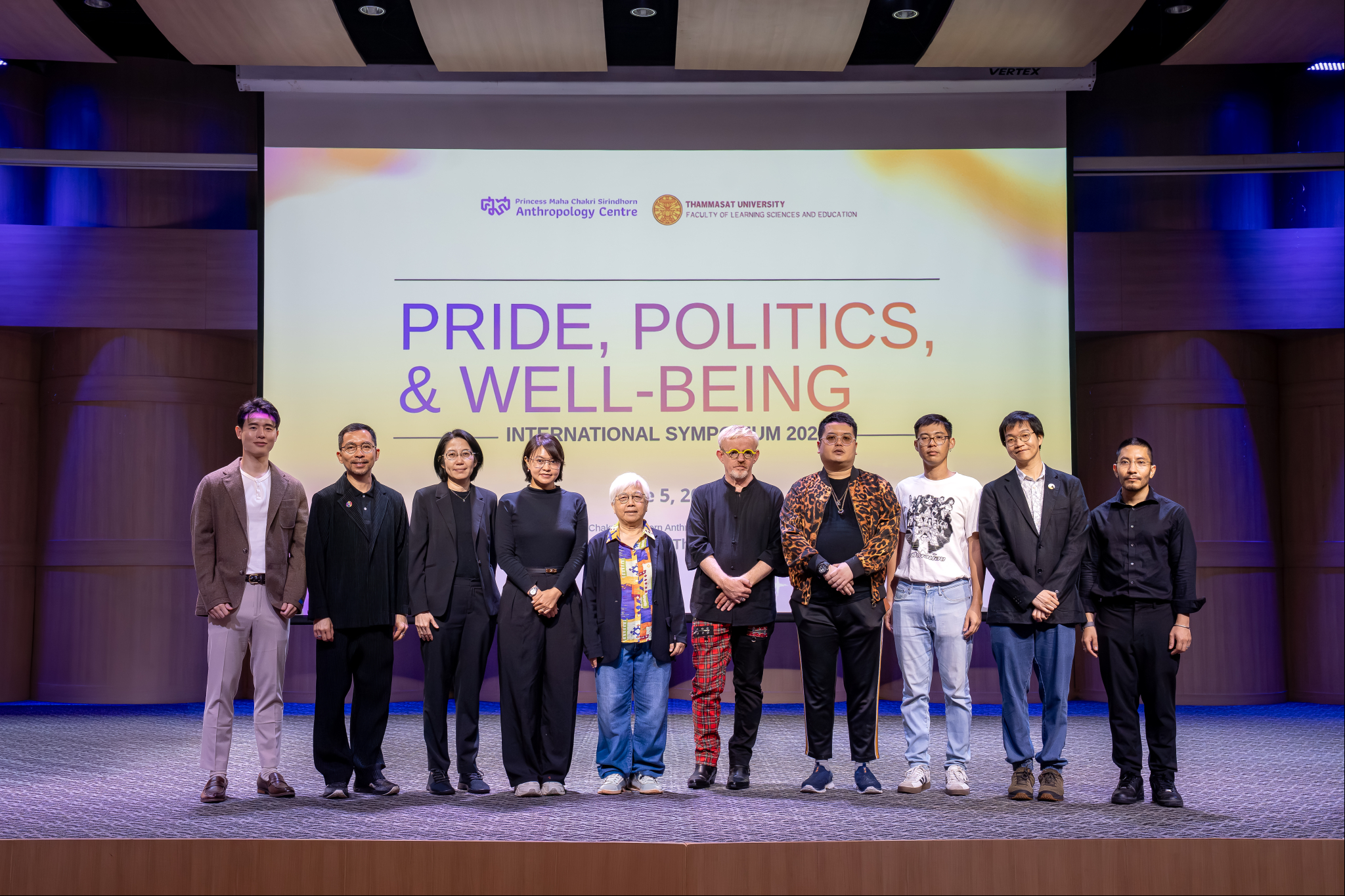
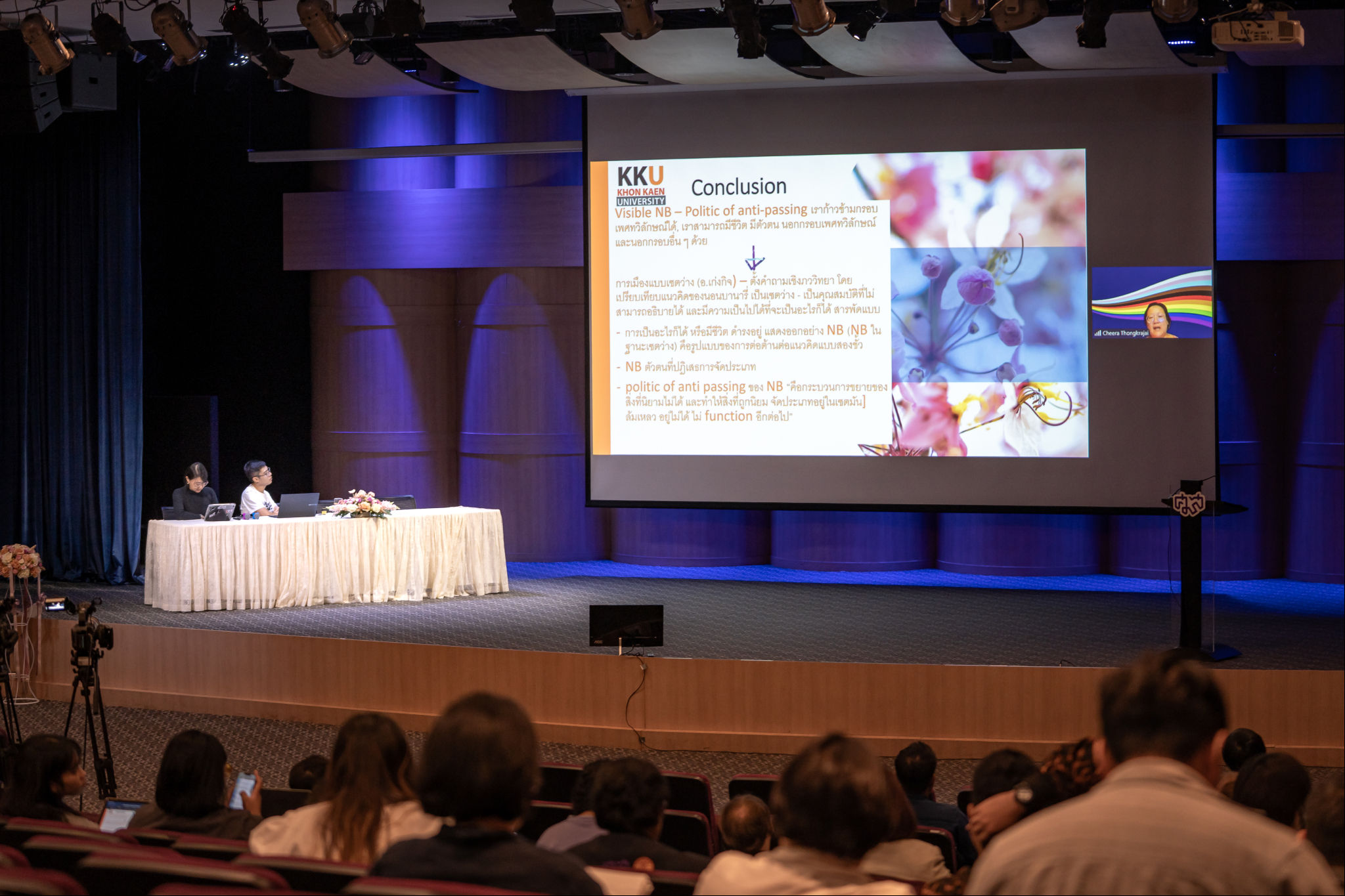
ในเวที PRIDE, POLITICS, & WELL-BEING เมื่อวันที่ 5 มิถุนายน 2569 ณ ศูนย์มานุษยวิทยาสิรินธร (องค์การมหาชน) ดร.ชีรา ทองกระจาย จากคณะมนุษยศาสตร์และสังคมศาสตร์ มหาวิทยาลัยขอนแก่น ชวนผู้ฟังทำความเข้าใจประสบการณ์ชีวิตของผู้ที่นิยามตนเองว่า “นอนไบนารี่” ผ่านการบรรยายหัวข้อ “การเมืองว่าด้วยการก้าวข้ามเพศทวิลักษณ์ และการประกอบร่างสร้างเพศของนอนไบนารี่”
งานศึกษาชิ้นนี้ชวนสำรวจว่า ผู้คนที่ไม่ได้มองตนเองว่าอยู่ในกรอบหญิงหรือชายกำลังสร้างความหมายให้กับตัวตนของตนเองอย่างไร และต้องต่อรองกับโลกที่ยังคุ้นชินกับการแบ่งเพศออกเป็นเพียงสองขั้วอย่างไรบ้าง
การมีอยู่ของนอนไบนารี่ยังถูกตั้งคำถาม
ดร.ชีรา ชี้ให้เห็นว่า ผู้ที่นิยามตนเองว่าเป็นนอนไบนารี่จำนวนมากยังคงเผชิญกับภาวะที่ตัวตนถูกมองไม่เห็น ถูกเข้าใจผิด หรือถูกเรียกด้วยเพศที่ตนเองไม่ได้เป็น ซึ่งในทางสังคมศาสตร์เรียกว่า “misgendering” หรือการระบุเพศของบุคคลไม่ตรงกับอัตลักษณ์ทางเพศที่เขานิยามตนเอง
ตัวอย่างที่สะท้อนประเด็นนี้ได้ชัดเจน คือกรณีนักกิจกรรมทางการเมืองคนหนึ่งที่ถูกนำเสนอในข่าวว่าเป็นผู้หญิง ก่อนจะมีผู้คนออกมาท้วงติงว่าบุคคลดังกล่าวนิยามตนเองว่าเป็นนอนไบนารี่ อย่างไรก็ตาม แทนที่การแก้ไขข้อมูลจะนำไปสู่ความเข้าใจ กลับเกิดกระแสวิพากษ์วิจารณ์ในสื่อสังคมออนไลน์ว่า “จำเป็นขนาดนั้นเลยหรือที่ต้องยืนยันอัตลักษณ์ทางเพศ” หรือ “เป็นเรื่องเล็กน้อยทำไมต้องทำให้เป็นประเด็น”
ปฏิกิริยาลักษณะนี้สะท้อนให้เห็นว่า ปัญหาไม่ได้อยู่ที่การใช้คำเรียกผิดเพียงอย่างเดียว แต่คือการที่สังคมจำนวนหนึ่งยังไม่ยอมรับว่าตัวตนนอกกรอบหญิง-ชายมีอยู่จริง หลายครั้งนอนไบนารี่ถูกลดทอนให้เป็นเพียงรสนิยม เป็นกระแส หรือเป็นเรื่องที่ไม่จำเป็นต้องให้ความสำคัญ
ร่างกายไม่ใช่แค่เรื่องชีววิทยา
ก่อนจะทำความเข้าใจประสบการณ์ของผู้ที่นิยามตนเองว่าเป็นนอนไบนารี่ ดร.ชีรา อธิบายผ่านแนวคิดเรื่อง Embodiment หรือการประกอบสร้างความหมายผ่านร่างกาย
แนวคิดนี้มองว่า ร่างกายไม่ได้เป็นเพียงวัตถุทางชีววิทยาที่มีเพศกำเนิดเป็นหญิงหรือชายเท่านั้น แต่เป็นพื้นที่ที่ผู้คนใช้แสดงตัวตน สร้างความหมาย และมีปฏิสัมพันธ์กับสังคมอยู่ตลอดเวลา เรารับรู้ตัวเองผ่านร่างกาย ขณะเดียวกันผู้คนรอบข้างก็ใช้ร่างกายเป็นสิ่งแรกในการตีความว่าเราเป็นใคร
ด้วยเหตุนี้ ประสบการณ์เรื่องเพศจึงไม่ได้เกิดขึ้นเพียงในความรู้สึกภายใน แต่เกิดขึ้นผ่านการแต่งกาย การใช้ร่างกาย การถูกมอง การถูกเรียก และการปฏิบัติที่ได้รับจากผู้คนรอบตัวในชีวิตประจำวัน
“นอนไบนารี่” เราไม่เหมือนกัน
หนึ่งในสิ่งที่ ดร.ชีรา พบจากการศึกษาผู้ที่นิยามตนเองว่าเป็นนอนไบนารี่ คือ แม้ทุกคนจะใช้คำเดียวกัน แต่กลับไม่ได้หมายถึงสิ่งเดียวกันเลย
ผู้ให้สัมภาษณ์มีความแตกต่างกันตั้งแต่เพศกำเนิด รสนิยมทางเพศ ไปจนถึงวิธีให้ความหมายกับคำว่า “นอนไบนารี่” บางคนมองว่าตนเองไม่ใช่ทั้งผู้หญิงและผู้ชาย บางคนมองว่าเพศเป็นสิ่งที่อยู่นอกกรอบหญิง-ชาย ขณะที่บางคนอธิบายว่าความเป็นเพศของตนเองเชื่อมโยงกับสิ่งอื่นที่ไม่ใช่มนุษย์ เช่น แนวคิดแบบ Xenogender ที่ใช้อุปมาอย่าง “เพศแม่มด” หรือ “เพศผ้าห่ม” เพื่ออธิบายประสบการณ์ทางเพศของตนเอง
บางคนมองว่านอนไบนารี่คือการปฏิเสธการแบ่งเพศแบบเดิม ขณะที่บางคนมองว่าเป็นสิทธิในการกำหนดเพศของตนเอง หรือ gender self-determination ซึ่งแต่ละคนสามารถนิยามตัวตนของตัวเองได้โดยไม่จำเป็นต้องอ้างอิงกับกรอบหญิงหรือชาย
แม้จะมีความแตกต่างหลากหลาย แต่ผู้ให้สัมภาษณ์ส่วนใหญ่อยู่ในช่วงอายุประมาณ 20-30 ปี และเติบโตขึ้นมาในช่วงเวลาที่ข้อมูลเกี่ยวกับความหลากหลายทางเพศเริ่มแพร่กระจายในโลกออนไลน์ โดยเฉพาะองค์ความรู้ภาษาอังกฤษจากสื่อ งานวิชาการ และชุมชนออนไลน์ต่างประเทศ ทำให้ผู้ที่เข้าถึงแนวคิดนอนไบนารี่ในระยะแรกมักเป็นคนรุ่นใหม่ที่มีการศึกษาระดับมหาวิทยาลัย ใช้สื่อออนไลน์เป็นประจำ และอาศัยหรือทำงานอยู่ในเมืองเป็นหลัก
อีกสิ่งหนึ่งที่พบร่วมกันคือ ความสนใจต่อประเด็นทางการเมืองและสังคม ผู้ให้สัมภาษณ์จำนวนมากเติบโตมาพร้อมกับบรรยากาศทางการเมืองหลังรัฐประหาร การเคลื่อนไหวเรียกร้องประชาธิปไตย และม็อบคนรุ่นใหม่ในช่วงปี 2563 ซึ่งกลายเป็นจุดเริ่มต้นให้หลายคนหันมาสนใจประเด็นเรื่องสิทธิ ความเท่าเทียม และความหลากหลายทางเพศ ก่อนจะค่อย ๆ ค้นพบและนิยามตัวตนของตนเองในเวลาต่อมา
ไม่ได้อยากกลมกลืน แค่อยากเป็นตัวเอง
ที่ผ่านมา งานศึกษาความหลากหลายทางเพศจำนวนมากมักอธิบายประสบการณ์ของผู้คนผ่านแนวคิดที่เรียกว่า Politics of Passing หรือการพยายามทำให้ตนเองกลมกลืนกับอัตลักษณ์ที่สังคมยอมรับ เพื่อหลีกเลี่ยงการเลือกปฏิบัติ ความรุนแรง หรือเพื่อให้ได้รับการยอมรับมากขึ้น
ในกรณีของคนข้ามเพศ แนวคิดนี้มักอธิบายถึงความพยายามในการทำให้ตนเองถูกมองว่าเป็นผู้หญิงหรือผู้ชายตามกรอบที่สังคมคุ้นเคย เช่น ผู้หญิงข้ามเพศต้องแสดงออกให้เหมือนเพศหญิงที่สุด เพราะการทำตัวกลมกลืนได้สำเร็จมักหมายถึงโอกาสในการใช้ชีวิตอย่างปลอดภัยและได้รับการยอมรับมากขึ้น
แต่สำหรับผู้ที่นิยามตนเองว่าเป็นนอนไบนารี่ คำถามสำคัญกลับไม่ใช่ว่าจะทำอย่างไรให้ถูกมองว่าเป็นผู้หญิงหรือผู้ชาย ดร.ชีรา เสนอว่า ประสบการณ์ของนอนไบนารี่อาจอธิบายได้ผ่านสิ่งที่เรียกว่า Politics of (Anti)Passing เพราะหลายคนไม่ได้ต้องการข้ามจากเพศหนึ่งไปสู่อีกเพศหนึ่ง และไม่ได้พยายามทำให้ตนเองกลมกลืนกับกรอบเพศแบบเดิม หากเพียงต้องการใช้ชีวิตในแบบของของตนเอง
ในความหมายนี้ การเมืองของนอนไบนารี่จึงไม่ใช่การเรียกร้องให้สังคมมองตนเองเป็นเพศใดเพศหนึ่ง แต่คือการตั้งคำถามกับระบบที่เชื่อว่ามีเพียงสองเพศเท่านั้นที่เป็นไปได้ และชวนให้สังคมยอมรับว่า มนุษย์สามารถมีชีวิตอยู่ได้โดยไม่จำเป็นต้องอยู่ในกรอบหญิงหรือชายเสมอไป
เรียบเรียงโดย เอกนรี นาวี
[English version]
Beyond the Male-Female Binary: Stories of Non-Binary Identities
Thai society has gradually become acquainted with an increasingly diverse vocabulary for sexual and gender identities. Moving away from a world strictly divided into male and female, a new set of language has emerged, enabling individuals to describe their identities and life experiences with greater nuance. One term that has begun prominently appearing in Thai online spaces over the past decade is "Non-binary."
At the "PRIDE, POLITICS, & WELL-BEING" forum held on June 5, 2026, at the Princess Maha Chakri Sirindhorn Anthropology Centre (Public Organization), Dr. Cheera Thongkrajai from the Faculty of Humanities and Social Sciences, Khon Kaen University, invited the audience to understand the life experiences of those who define themselves as "Non-binary" through a lecture titled "Non-Binary Embodiment and Its Politics of (Anti)Passing".
This study explores how individuals who do not view themselves within the male or female binary construct meaning for their own identities, and how they negotiate a world that remains accustomed to a binary gender division.
The Existence of Non-Binary Individuals is Still Questioned
Dr. Cheera pointed out that many who identify as non-binary still face conditions where their identities are rendered invisible, misunderstood, or referred to by a gender they do not identify with. In the social sciences, this is known as "misgendering", the act of assigning a gender to a person that does not align with their self-defined gender identity.
A clear example reflecting this issue involves a political activist who was reported in the news as a woman, before people stepped in to point out that the individual identifies as non-binary. However, instead of the correction leading to better understanding, it sparked a wave of criticism on social media, with comments asking: "Is it really that necessary to insist on gender identity?" or "It's a trivial matter, why make a big deal out of it?"
This type of reaction demonstrates that the problem is not merely about using the wrong terminology; rather, it reveals that a segment of society still refuses to accept that identities outside the male-female binary actually exist. Often, non-binary identities are dismissed as a mere preference, a passing trend, or something trivial that does not warrant serious attention.
The Body is Not Just About Biology
Before diving into the experiences of non-binary individuals, Dr. Cheera explained them through the concept of "Embodiment", or the construction of meaning through the body.
This concept posits that the body is not just a biological object assigned male or female at birth, but a canvas where people continuously express identity, construct meaning, and interact with society. We perceive ourselves through our bodies, and simultaneously, those around us use our physical appearance as the primary tool to interpret who we are.
Consequently, gender experiences do not occur solely as internal feelings; they materialize through clothing, bodily expressions, how one is looked at, how one is addressed, and how one is treated by others in daily life.
"Non-Binary": We Are Not All the Same
One of Dr. Cheera's primary findings from studying self-identified non-binary individuals is that although they use the same term, it does not mean the same thing to everyone.
The interviewees varied widely, spanning different sexes assigned at birth, sexual orientations, and ways of defining the word "non-binary": Some view themselves as neither a man nor a woman. Others see gender as something entirely existing outside the traditional male-female binary. Meanwhile, some describe their gender as being connected to non-human elements, such as the concept of "Xenogender," which employs metaphors like "witch gender" or "blanket gender" to describe their specific gender experience.
Some perceive non-binary as a flat-out rejection of traditional gender divisions, whereas others view it as the right to gender self-determination, where each individual can define their own identity without needing to reference a binary template.
Despite this vast diversity, most interviewees were between 20 and 30 years old and grew up during a time when information about gender diversity began proliferating online. In particular, English-language knowledge from foreign media, academia, and online communities meant that those who initially accessed the non-binary concept tended to be university-educated youth who frequently use online media and primarily live or work in urban areas.
Another commonality was an active interest in political and social issues. Many interviewees grew up in the post-coup political atmosphere, alongside pro-democracy movements and the youth-led protests around 2020 (2563 BE), which served as a catalyst for them to look into rights, equality, and gender diversity before gradually discovering and defining their own identities later on.
Not Wanting to Blend In, Just Wanting to Be Oneself
Historically, many studies on gender diversity have explained individuals' experiences through a concept known as the "Politics of Passing", the effort to blend in with socially accepted identities to avoid discrimination and violence, or to gain broader acceptance.
In the case of transgender people, this concept often describes the attempt to be perceived as either a man or a woman according to familiar societal templates. For instance, a transgender woman might express herself to align as closely as possible with traditional femininity, as successfully blending in usually guarantees greater safety and opportunities in life.
But for those who identify as non-binary, the central question is not how to be perceived as a man or a woman. Dr. Cheera proposes that the non-binary experience might instead be explained through what can be termed the "Politics of (Anti)Passing." Many do not wish to transition from one binary gender to the other, nor do they try to conform to traditional gender frameworks; they simply want to live life on their own terms.
In this sense, non-binary politics is not about demanding that society view them as a specific binary gender. Instead, it is about questioning the systemic belief that only two genders are possible, and inviting society to accept that human beings can live fulfilling lives without being confined to a male or female framework.
[This article was translated with the assistance of AI-based language tools. The final text was reviewed and edited by a human editor.]