เรื่องเล่าที่หายไปของยาและปาร์ตี้ของกลุ่มเกย์
[For English, please scroll down.]
“ยาเสพติด” มักถูกเล่าผ่านเรื่องของความเสี่ยง อาชญากรรม และความสูญเสีย ขณะที่ “เกย์” ก็มักถูกวางอยู่ในฐานะกลุ่มเสี่ยงที่ต้องได้รับการเฝ้าระวัง แต่จะเป็นอย่างไร หากการมองเห็นเพียงด้านเดียวอาจทำให้เราไม่เข้าใจเหตุผลและประสบการณ์จริงของผู้คนที่อยู่ในโลกเหล่านั้น
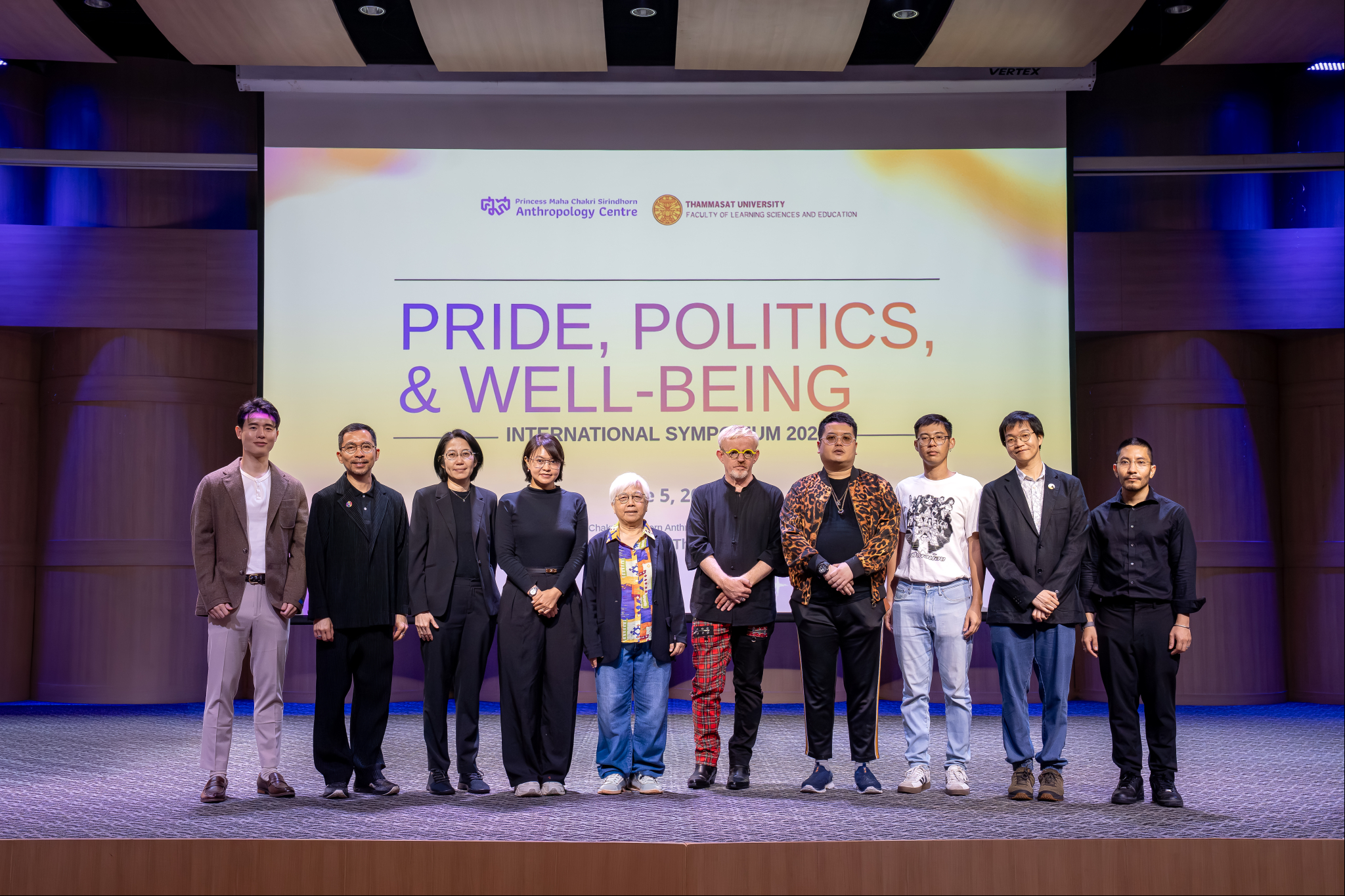
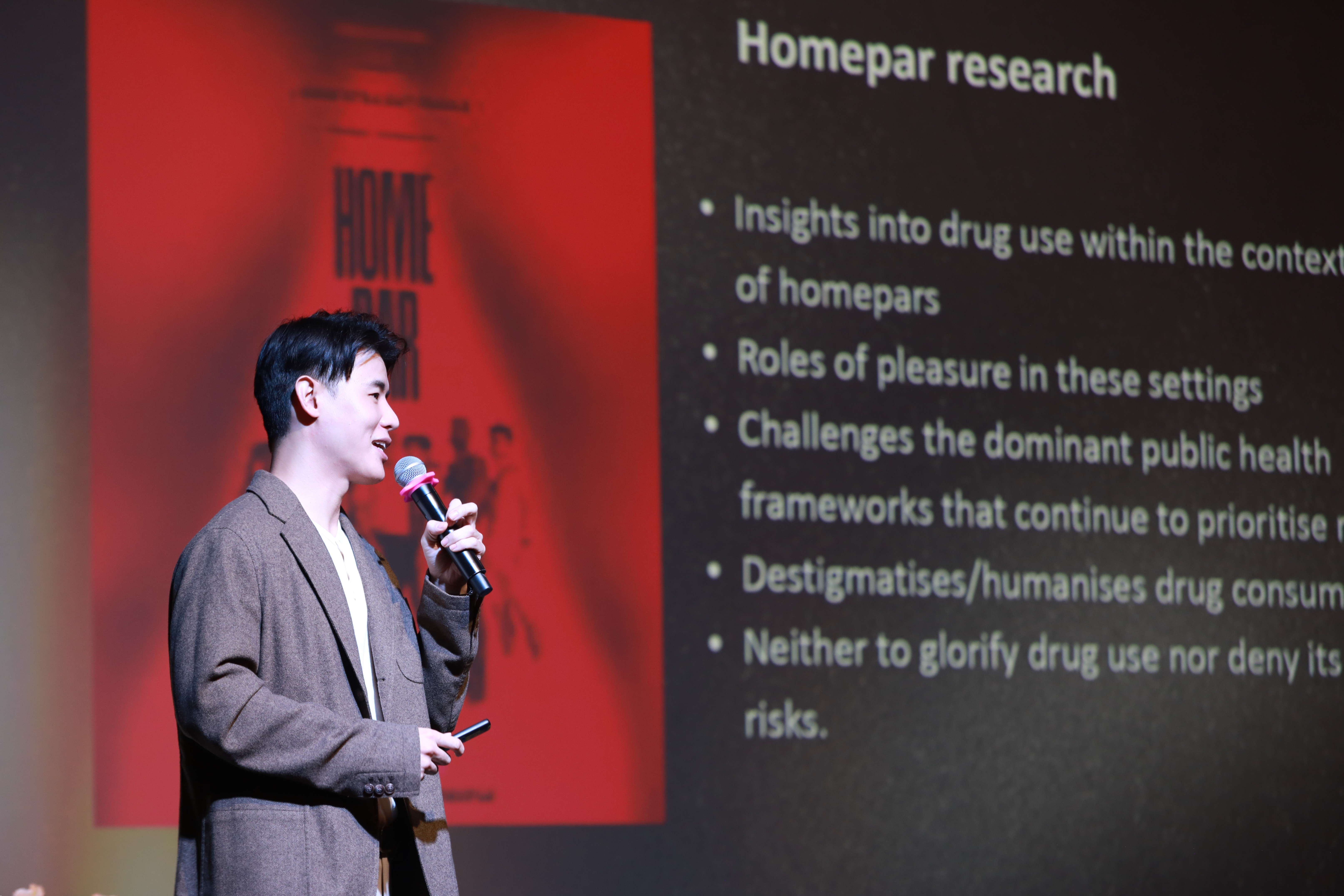
ในเวที PRIDE, POLITICS, & WELL-BEING เมื่อวันที่ 5 มิถุนายน 2569 ณ ศูนย์มานุษยวิทยาสิรินธร (องค์การมหาชน) ผู้ช่วยศาสตราจารย์สกล โสภิตอาชาศักดิ์ (อ.ฮิม) จากคณะวิทยาการเรียนรู้และศึกษาศาสตร์ มหาวิทยาลัยธรรมศาสตร์ ชวนผู้ฟังสำรวจที่มาและแนวคิดเบื้องหลังงานวิจัยเรื่อง “Homepars: เล่า • ยา • เกย์กึง” ซึ่งกำลังอยู่ระหว่างการพัฒนาและเก็บข้อมูล
แทนที่จะเริ่มต้นจากคำถามว่า “ยาอันตรายอย่างไร” งานวิจัยชิ้นนี้กลับชวนตั้งคำถามอีกแบบว่า ผู้คนกำลังมองหาอะไรในพื้นที่เหล่านี้ และเหตุใดเรื่องเล่าเกี่ยวกับความสุข ความสัมพันธ์ และการเป็นส่วนหนึ่งของชุมชน จึงเป็นเรื่องเล่าที่มักถูกมองข้ามในงานวิจัยกระแสหลัก
Homepars ≠ Sex Party
Homepars เป็นคำย่อของ Home Parties คำที่ใช้เรียกวัฒนธรรมการสังสรรค์รูปแบบหนึ่งในชุมชนเกย์ที่ปรากฏในหลายเมืองของเอเชีย ไม่ว่าจะเป็นกรุงเทพฯ ไทเป ฮ่องกง หรือโฮจิมินห์
Homepars มีความหมายเฉพาะกว่าปาร์ตี้ทั่วไป โดยมักจัดขึ้นในโรงแรม บ้านพัก หรือพูลวิลล่าที่รองรับผู้คนได้หลายสิบคน ภายในเต็มไปด้วยดนตรี แสง สี และการพบปะพูดคุยของผู้เข้าร่วมจำนวนมาก ขณะเดียวกัน ผู้เข้าร่วมจำนวนไม่น้อยก็มีการใช้สารออกฤทธิ์ต่อประสาท เช่น Ecstasy, Ketamine และ GHB ร่วมด้วย
อย่างไรก็ตาม อ.ฮิม เน้นย้ำว่า Homepars ไม่ควรถูกเข้าใจว่าเป็นเพียง “ปาร์ตี้เซ็กส์” แม้เรื่องเพศสัมพันธ์อาจเกิดขึ้นได้ แต่ไม่ใช่กิจกรรมหลักของพื้นที่เหล่านี้ สิ่งที่เกิดขึ้นมากกว่าคือการเข้าสังคม การทำความรู้จักผู้คนใหม่ ๆ การสร้างมิตรภาพ การจีบกัน และการใช้เวลาร่วมกันในชุมชน
ด้วยเหตุนี้ การทำความเข้าใจ Homepars จึงอาจต้องมองให้ไกลกว่าเรื่อง "ยา" หรือ "เซ็กส์" เพียงอย่างเดียว เพราะสำหรับผู้คนที่อยู่ในพื้นที่เหล่านี้ มันยังเป็นพื้นที่ของการพบปะ เชื่อมโยงผู้คน และการได้ใช้ชีวิตในแบบที่ตนเองรู้สึกเป็นอิสระและได้รับการยอมรับ
เราเข้าใจคนใช้ยาผิดไปหรือเปล่า?
ยาเสพติดมักถูกผูกโยงกับภาพของอันตราย ความเสื่อมทางศีลธรรม และภัยคุกคามต่อสังคม ตั้งแต่ในห้องเรียน หนังสือเรียน โฆษณารณรงค์ทางโทรทัศน์ ไปจนถึงนโยบายของรัฐ เราถูกสอนให้เข้าใจตรงกันว่า “ยาเสพติดคือสิ่งไม่ดี” และผู้ใช้ยาคือกลุ่มคนที่กำลังมีปัญหา
ในแวดวงวิชาการ เรื่องเล่าเช่นนี้ก็ปรากฏอยู่ไม่น้อย โดยเฉพาะในการศึกษาผู้มีความหลากหลายทางเพศ ซึ่งมักถูกจัดให้อยู่ในฐานะ “กลุ่มเสี่ยง” ต่อการใช้สารเสพติด งานวิจัยจำนวนมากอธิบายปรากฏการณ์นี้ผ่านแนวคิดที่ว่า ความเครียดจากการถูกตีตรา ถูกเลือกปฏิบัติ หรือถูกทำให้เป็นคนนอก อาจผลักดันให้ผู้คนหันไปใช้สารเสพติดเพื่อบรรเทาความเจ็บปวดทางจิตใจ
อย่างไรก็ตาม อ.ฮิม ตั้งข้อสังเกตว่า เรื่องเล่าที่อธิบายการใช้สารเสพติดผ่านกรอบของ “ความเสี่ยง” และ “ความเครียด” อาจยังไม่เพียงพอที่จะอธิบายความซับซ้อนของปรากฏการณ์นี้ทั้งหมด
ประเด็นแรกคือ งานวิจัยจำนวนมากมักนำสารเสพติดหลากหลายประเภทมารวมเป็นตัวแปรเดียว ตั้งแต่แอลกอฮอล์ บุหรี่ กัญชา ไปจนถึงสารออกฤทธิ์ต่อจิตประสาท ทั้งที่สารแต่ละชนิดมีบริบทการใช้ ความเสี่ยง และความหมายทางสังคมแตกต่างกันอย่างมาก ขณะเดียวกัน การวัดเพียงว่า “เคยใช้หรือไม่เคยใช้” ก็ทำให้ผู้ที่ใช้สารเสพติดเป็นครั้งคราว ถูกนับรวมอยู่ในกลุ่มเดียวกับผู้ที่มีปัญหาการใช้สารเสพติดอย่างรุนแรง ความแตกต่างระหว่างผู้ใช้และประเภทของสารจึงถูกทำให้หายไป
อีกประเด็นหนึ่งคือ แนวคิดเรื่อง self-medication หรือการใช้สารเสพติดเพื่อบรรเทาความทุกข์ อาจทำให้เราเข้าใจไปโดยอัตโนมัติว่าผู้คนใช้ยาเพราะกำลังเครียดหรือพยายามหลีกหนีความเจ็บปวดจากการถูกเลือกปฏิบัติ แต่เมื่อพิจารณาเฉพาะยาในบริบทของปาร์ตี้ เช่น Ecstasy, Ketamine หรือ GHB งานวิจัยกลับไม่พบความสัมพันธ์ดังกล่าว ข้อค้นพบนี้ทำให้ อ.ฮิม ชวนตั้งคำถามว่า อย่างน้อยในบริบทของ Homepars การใช้ยาอาจไม่ได้เป็นเพียงเรื่องของการหลีกหนีความทุกข์เสมอไป
อีกด้านของประสบการณ์การใช้ยา
มีงานศึกษาจำนวนหนึ่งที่ชี้ให้เห็นว่า การใช้สารเสพติดไม่ได้เกี่ยวข้องกับความเสี่ยงเพียงอย่างเดียว แต่ยังมีบทบาทต่อการลดความวิตกกังวล การสร้างประสบการณ์ใหม่ และการเปิดพื้นที่ให้ผู้คนได้สำรวจตนเองในรูปแบบที่แตกต่างไปจากชีวิตประจำวัน อ.ฮิม ชวนให้ลองถามอีกแบบว่า "ผู้คนได้รับอะไรจากการใช้ยา" โดยเฉพาะใน 2 เรื่องที่ถูกมองข้าม ได้แก่
1. การปลดปล่อยจากกรอบเดิม (Disinhibition)
การใช้สารเสพติดเป็นพื้นที่ของการปลดปล่อยตัวเองจากข้อจำกัดบางอย่างในชีวิตประจำวัน งานศึกษาผู้หญิงวัยกลางคนในสกอตแลนด์พบว่า การดื่มแอลกอฮอล์ทำให้พวกเธอได้พักจากบทบาทความเป็นแม่ ภรรยา หรือผู้ดูแลครอบครัว และรู้สึกเป็นอิสระจากภาระที่แบกรับอยู่ชั่วคราว ในทำนองเดียวกัน งานศึกษาผู้มีความหลากหลายทางเพศพบว่า สารบางชนิดอาจเปิดพื้นที่ให้ผู้คนได้สำรวจตัวตนในรูปแบบใหม่ ๆ เช่นการใช้ LSD ในช่วงที่กำลังตั้งคำถามกับเพศสภาวะของตนเอง ทำให้เขารู้สึกถึง “ความเป็นตัวเอง” ได้ชัดเจนขึ้น ขณะที่ MDMA ถูกพูดถึงในมุมที่ช่วยลดความวิตกกังวลเกี่ยวกับภาพลักษณ์ทางเพศ ทำให้ผู้ใช้รู้สึกสบายใจกับร่างกายของตนเองมากขึ้นระหว่างการมีเพศสัมพันธ์
2. ความสุข ความจอย (Pleasure)
ความสุขจากการใช้ยาไม่ได้เกิดจากฤทธิ์ทางเคมีเพียงอย่างเดียว แต่มนุษย์ยังเรียนรู้ที่จะตีความ รับรู้ และสร้างความหมายให้กับประสบการณ์เหล่านั้นตามบริบททางสังคมและวัฒนธรรมที่แตกต่างกัน ยาชนิดเดียวกันจึงอาจถูกใช้เพื่อเป้าหมายที่ต่างกันโดยสิ้นเชิง บางคนใช้เพื่อเพิ่มพลังในการทำงาน บางคนใช้เพื่อเข้าสังคม ขณะที่บางคนใช้เพื่อสร้างประสบการณ์ทางเพศ การมองเห็นมิติของความสุขจึงไม่ได้หมายถึงการปฏิเสธความเสี่ยงของยาเสพติด แต่ช่วยให้เราเข้าใจได้รอบด้านมากขึ้นว่าทำไมผู้คนจึงเลือกใช้ ด้วยเหตุนี้ แนวคิดเรื่องการลดอันตราย (harm reduction) จึงให้ความสำคัญกับการยอมรับว่า "ความสุขไม่ได้เป็นสิ่งตรงข้ามกับความปลอดภัยเสมอไป" การลดอันตรายที่คำนึงถึงความสุขและความต้องการของผู้ใช้ มักมีโอกาสได้รับการยอมรับและนำไปใช้จริงมากกว่าการห้ามหรือปฏิเสธพฤติกรรมเหล่านั้นโดยสิ้นเชิง
การคืนความเป็นมนุษย์ให้ผู้ใช้สารเสพติด
หนึ่งในเป้าหมายสำคัญของงานวิจัยชิ้นนี้ คือการชวนมองผู้ใช้สารเสพติดในฐานะ “มนุษย์” มากกว่าจะมองผ่านภาพจำของความเสี่ยง ความผิด หรือความเบี่ยงเบนจากบรรทัดฐานทางสังคม เพราะเบื้องหลังการใช้สารเสพติดยังมีเรื่องราวของความสัมพันธ์ ความสุข ความทุกข์ และการแสวงหาพื้นที่ของตนเองซ่อนอยู่
ด้วยเหตุนี้ งานวิจัยจึงมุ่งศึกษาประสบการณ์ของผู้เข้าร่วม Homepars ในกรุงเทพฯ และซิดนีย์ เพื่อทำความเข้าใจว่าผู้คนสร้างความหมายให้กับความสุข ความใกล้ชิด ความเป็นส่วนหนึ่งของชุมชน และสุขภาวะของตนเองอย่างไร ภายใต้บริบททางสังคมและวัฒนธรรมที่แตกต่างกัน
ท้ายที่สุดแล้ว งานวิจัยชิ้นนี้ไม่ได้มีเป้าหมายเพียงเพื่อศึกษาการใช้สารเสพติดในพื้นที่ Homepars เท่านั้น แต่ยังเป็นความพยายามที่จะเปิดพื้นที่ให้เกิดบทสนทนาเกี่ยวกับการใช้สารเสพติดในมิติที่กว้างขึ้น ผ่านประสบการณ์จริงของผู้คน ความสัมพันธ์ ชุมชน และบทบาทของความสุขที่มักไม่ค่อยถูกพูดถึงในงานศึกษากระแสหลัก
“เราไม่ได้กำลังบอกว่ายามันดี แต่เราเพียงต้องการบอกว่าเหรียญมี 2 ด้านเสมอ บางทีการที่เราผลิตองค์ความรู้มาเพียงด้านเดียวในเรื่องของความเสี่ยง ผลกระทบทางด้านลบ ซึ่งมันก็มีประโยชน์ของมันแต่มันก็มีอีกด้านหนึ่งที่ควรจะได้รับการพูดถึงอยู่ด้วย”
เรียบเรียงโดย เอกนรี นาวี
[English version]
The Missing Narrative of Drugs and Parties in the Gay Community
"Drugs" are often discussed through the lens of risk, crime, and loss, while "gay men" are frequently positioned as a high-risk group requiring strict surveillance. But what if looking at only one side of the coin prevents us from truly understanding the reasons and actual experiences of the people inhabiting those worlds?
At the "PRIDE, POLITICS, & WELL-BEING" forum held on June 5, 2026, at the Princess Maha Chakri Sirindhorn Anthropology Centre (Public Organization), Assistant Professor Sakol Sopitarchasak (Ajarn Him) from the Faculty of Learning Sciences and Education, Thammasat University, invited the audience to explore the origins and concepts behind his ongoing research project titled "Homepars: Rethinking Drug Use and Gay Male Intimacies," which is currently in its development and data collection phase.
Instead of starting with the conventional question, "How are drugs dangerous?" this study poses a different query: What are people searching for in these spaces, and why are stories about pleasure, relationships, and community belonging so often overlooked in mainstream research?
Homepars ≠ Sex Party
"Homepars" is a shorthand term for Home Parties, which refers to a specific social culture within the gay community found in several Asian cities, including Bangkok, Taipei, Hong Kong, and Ho Chi Minh City.
Homepars carries a much more specific meaning than a typical party. They are usually hosted in hotels, private residences, or pool villas capable of accommodating dozens of people. The environment is filled with music, lights, colors, and heavy socializing among a large number of participants. Simultaneously, a significant number of attendees also engage in the use of psychoactive substances, such as Ecstasy, Ketamine, and GHB.
However, Ajarn Him emphasized that Homepars should not be misconstrued merely as "sex parties". While sexual activity may occur, it is not the primary objective of these spaces. What happens much more frequently is socializing, meeting new people, building friendships, flirting, and spending time together within a community.
Therefore, understanding Homepars requires looking beyond just "drugs" or "sex". For the individuals in these spaces, it serves as a venue for connection, bonding, and living life in a way where they feel genuinely free and accepted.
Have We Misunderstood Drug Users?
From classrooms and textbooks to television campaigns and state policies, drugs are consistently tied to images of danger, moral decay, and social threats. We are universally taught that "drugs are bad" and that drug users are inherently troubled individuals.
This narrative is equally prevalent in academic circles, particularly within gender and sexual diversity studies where gay individuals are frequently categorized as a "risk group" for substance use. A vast body of research explains this phenomenon through minority stress, positing that the psychological toll of stigma, discrimination, or being marginalized drives individuals to use substances to numb emotional pain.
However, Ajarn Him noted that explaining substance use purely through frameworks of "risk" and "stress" falls short of capturing the full complexity of the phenomenon.
First, many studies tend to lump various substances; ranging from alcohol, cigarettes, and cannabis to heavy psychoactive drugs, into a single variable. This occurs despite the fact that each substance carries vastly different usage contexts, risk profiles, and social meanings.
Second, simply measuring usage through a binary "ever used or never used" metric groups occasional, recreational users in with those suffering from severe, chronic substance dependency. Consequently, the vital nuances between types of users and types of substances are completely erased.
Third, the concept of "self-medication", using substances to alleviate suffering, leads to the automatic assumption that individuals use drugs because they are stressed or escaping the pain of discrimination. Yet, when examining specific party drugs like Ecstasy, Ketamine, or GHB, research fails to find a direct correlation with minority stress. This finding prompted Ajarn Him to suggest that, at least within the context of Homepars, drug use may not always be about escaping distress.
The Other Side of the Substance Experience
A number of alternative studies point out that substance use is not exclusively tied to risk; it can also play a role in reducing social anxiety, facilitating novel experiences, and opening up a sandbox for individuals to explore themselves differently than they do in daily life. Ajarn Him invited the audience to flip the script and ask, "What do people actually gain from substance use?" focusing on two routinely ignored dimensions:
1. Disinhibition from Traditional Constraints
Substance use can act as a circuit breaker from the rigid boundaries of daily life. A study on middle-aged women in Scotland, for example, found that alcohol consumption allowed them to step away from their demanding roles as mothers, wives, or family caretakers, offering a temporary sense of liberation from their daily burdens.
Similarly, research among gender-diverse individuals reveals that certain substances can unlock new pathways for identity exploration. For instance, some individuals reported that using LSD while questioning their gender identity helped them experience a clearer, more grounded sense of "self". Meanwhile, MDMA is frequently noted for lowering deep-seated anxieties regarding body image, allowing users to feel entirely comfortable and present in their own skin during sexual intimacy.
2. Pleasure and "Joy"
The pleasure derived from substance use is not merely a product of neurochemistry. Humans actively learn to interpret, experience, and assign meaning to these sensations based on their unique social and cultural contexts. Thus, the exact same substance can be used for entirely different purposes: one person might use it to boost productivity at work, another to facilitate social networking, and a third to enhance sexual experiences. Acknowledging the dimension of pleasure does not mean denying the inherent risks of drugs; rather, it provides a comprehensive understanding of why people choose to use them in the first place.
Because of this, the framework of harm reduction places immense value on recognizing that "pleasure and safety are not always mutually exclusive". Harm reduction strategies that actively account for the pleasure and actual desires of users are far more likely to be accepted and implemented realistically than strategies relying on blanket prohibitions or total denial of the behavior.
Restoring Humanity to Substance Users
A cornerstone of this research is the invitation to view substance users first and foremost as "human beings," rather than viewing them solely through fixed stereotypes of risk, criminality, or social deviance. Behind the act of drug use lie intricate human stories of relationships, joy, sorrow, and the universal search for a place to belong.
To explore this, the study investigates the lived experiences of Homepars participants in both Bangkok and Sydney to map out how people define pleasure, intimacy, community belonging, and personal well-being across vastly different socio-cultural landscapes.
Ultimately, this project does not seek to endorse drug use within Homepars spaces. Instead, it is an effort to broaden the conversation around substance use by centering it on real human experiences, relationships, community dynamics, and the role of pleasure, elements that remain largely unspoken in mainstream academic literature.
"We aren't saying that drugs are good. We are simply saying that there are always two sides to a coin. Perhaps the knowledge we have produced so far has focused strictly on risks and negative impacts—which absolutely has its utility—but there is another side that deserves to be talked about as well."
[This article was translated with the assistance of AI-based language tools. The final text was reviewed and edited by a human editor.]