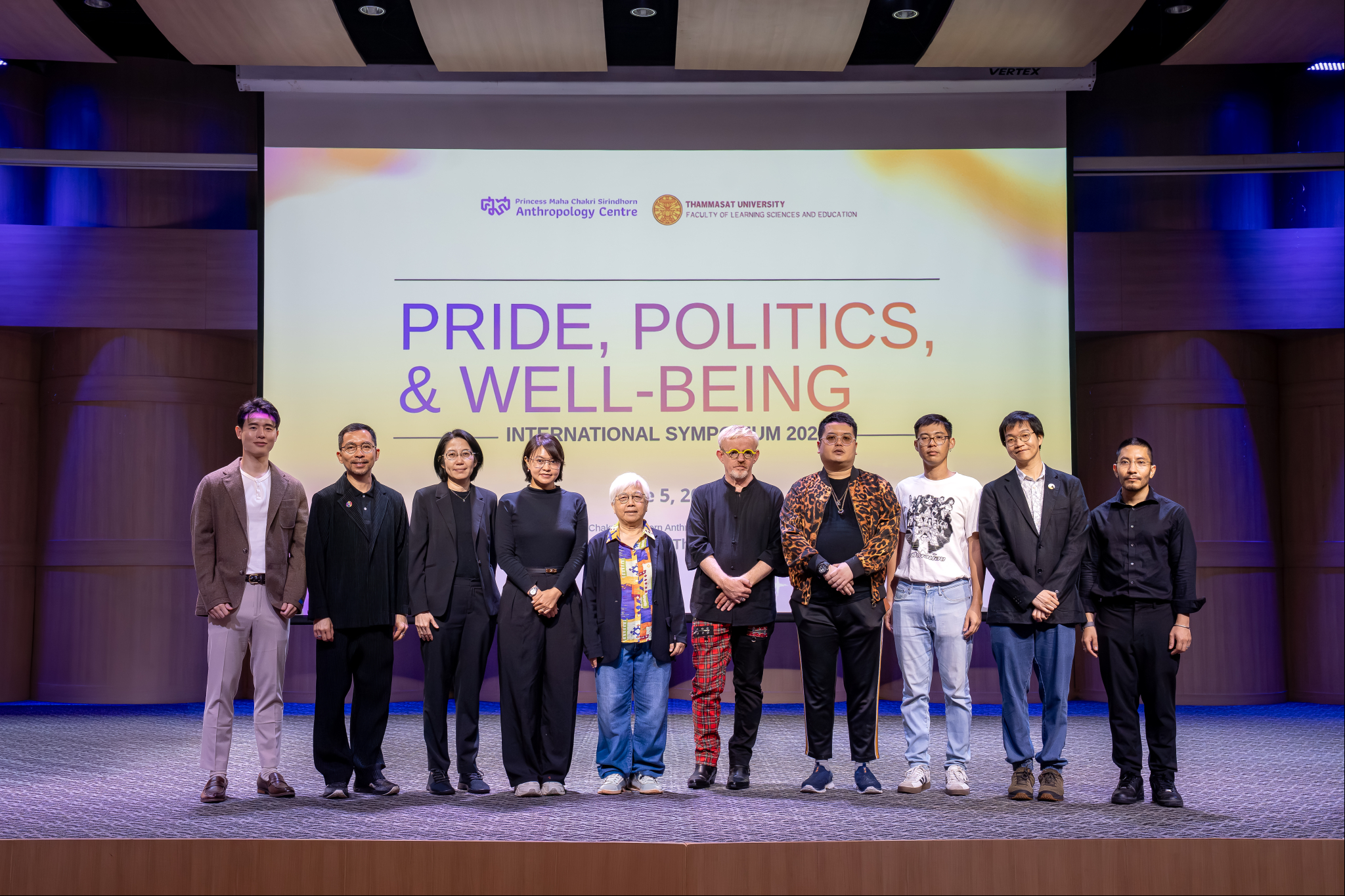
เมื่อเข้าใจความต่าง ก็เห็นความเป็นมนุษย์
[For English, please scroll down.]
ยิ่งสังคมเปิดกว้างมากขึ้นเท่าไร เราก็ยิ่งเห็นว่าผู้คนไม่ได้มีชีวิตอยู่ภายใต้กรอบเดียวกัน ความแตกต่างอาจไม่ใช่ข้อยกเว้นอีกต่อไป แต่กำลังกลายเป็นเรื่องปกติของสังคมร่วมสมัย
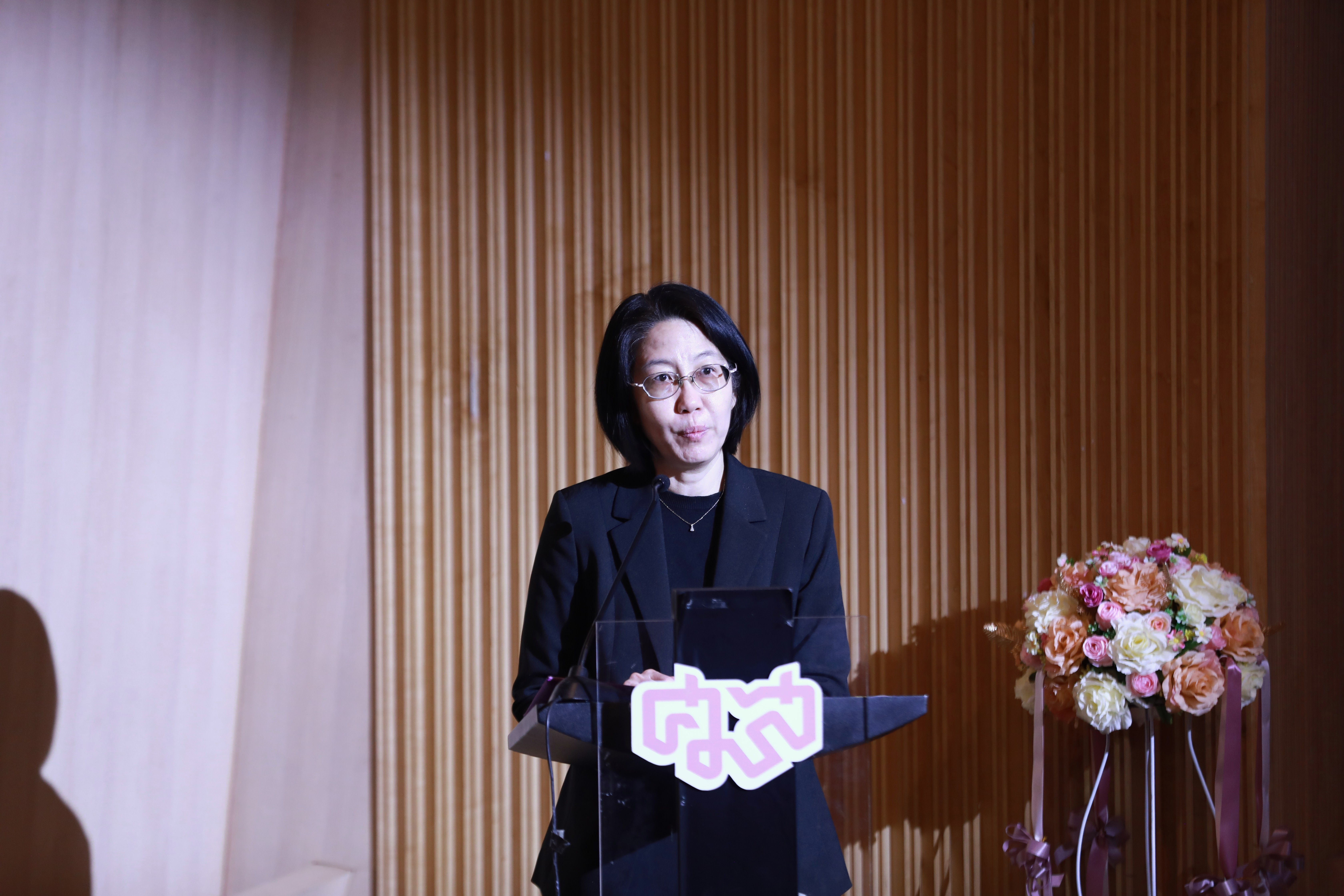
ผู้ช่วยศาสตราจารย์ ดร.แพร ศิริศักดิ์ดำเกิง ผู้อำนวยการศูนย์มานุษยวิทยาสิรินธร (องค์การมหาชน) ชี้ให้เห็นว่า เวที PRIDE, POLITICS, & WELL-BEING ซึ่งมุ่งสร้างองค์ความรู้และความเข้าใจต่อความหลากหลายของผู้คน ทั้งในมิติของวิถีชีวิต วัฒนธรรม เพศสภาพ อัตลักษณ์ และประสบการณ์ชีวิตที่แตกต่างกัน ได้ชวนให้ผู้เสวนาและผู้เข้าร่วมช่วยกันสร้างสังคมที่เสมอภาคและเป็นธรรม โดยเริ่มต้นจากการมองเห็นคุณค่าและศักดิ์ศรีของผู้คนอย่างเท่าเทียม
“สังคมที่เสมอภาคและเป็นธรรม เริ่มต้นจากการมองเห็นคุณค่าและศักดิ์ศรีของทุกคนทุกเพศอย่างเท่าเทียม”
นอกจากนี้ ดร.แพร ยังชวนให้มองว่า การเปิดรับและโอบกอดความหลากหลายมีความสำคัญต่อการอยู่ร่วมกันในสังคม เพราะเป็นรากฐานของทั้งสุขภาวะและประชาธิปไตย
“การโอบกอดความหลากหลาย คือหัวใจของสุขภาวะและประชาธิปไตยอย่างแท้จริง”
พร้อมแสดงความหวังว่าการประชุมครั้งนี้จะเป็นพื้นที่แห่งการเรียนรู้ร่วมกันผ่านความเข้าใจ การรับฟัง และการแลกเปลี่ยนระหว่างผู้เข้าร่วม เพื่อร่วมสร้างสังคมที่ผู้คนอยู่ร่วมกันด้วยความไว้วางใจ ความเห็นอกเห็นใจ และการเคารพศักดิ์ศรีซึ่งกันและกัน
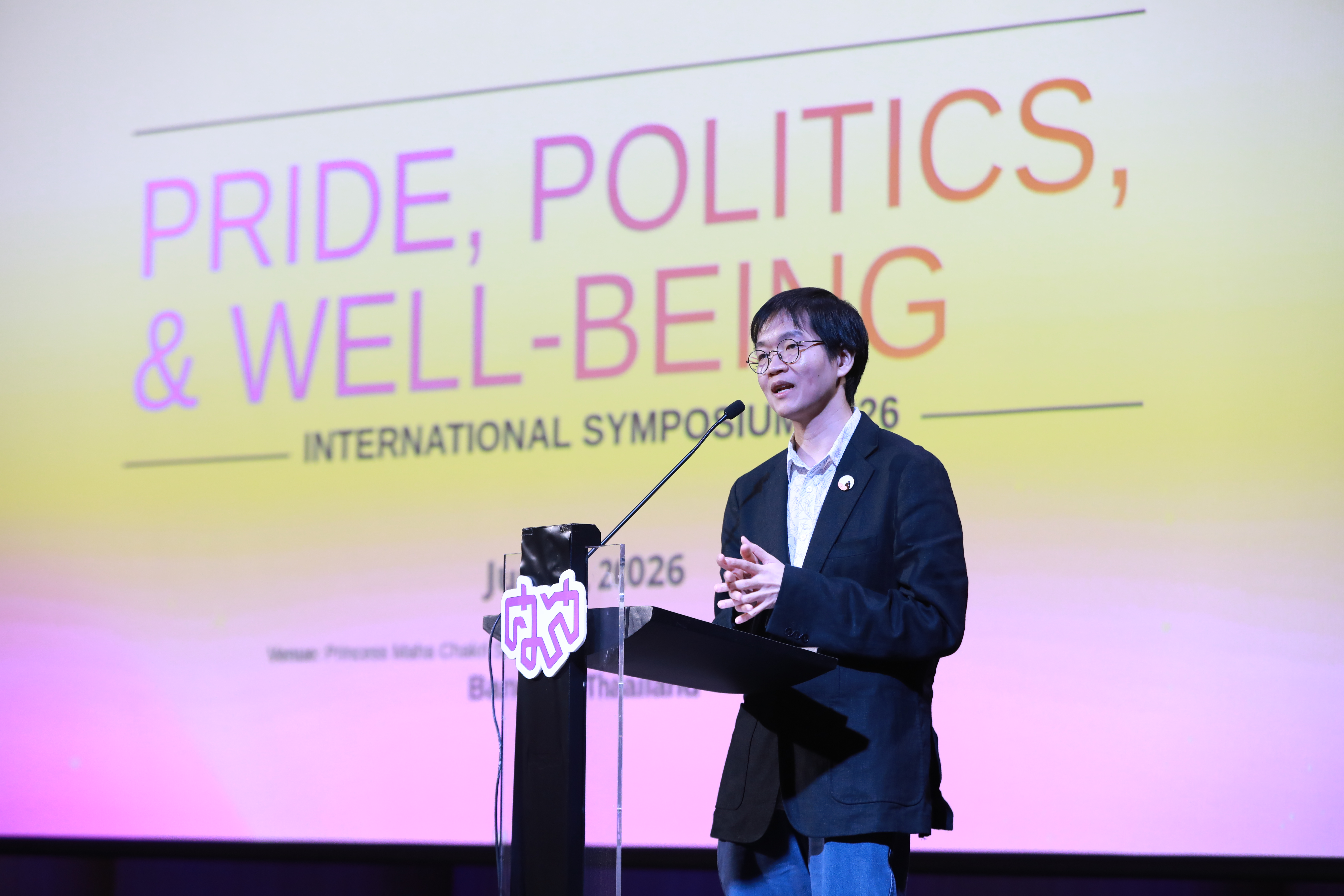
ในขณะที่ ผู้ช่วยศาสตราจารย์ ดร.นรุตม์ ศุภวรรธนะกุล (อ.นอตติ) คณะวิทยาการเรียนรู้และศึกษาศาสตร์ มหาวิทยาลัยธรรมศาสตร์ มองว่าความท้าทายสำคัญในปัจจุบันนี้อาจไม่ใช่เพียงการทำความเข้าใจว่าใครเป็นใคร หากเป็นการเรียนรู้ว่าทุกคนจะอยู่ร่วมกับความแตกต่างเหล่านั้นอย่างไร เพราะเมื่อได้ทำความเข้าใจเรื่องเพศมากขึ้น ก็ยิ่งเห็นว่าความเป็นมนุษย์มีความซับซ้อนกว่าคำอธิบายง่าย ๆ ที่สังคมเคยใช้มา โดยมีประเด็นที่ควรพิจารณา ต่อไปนี้
การท้าทายวิธีมองโลกแบบสองขั้ว
ตลอดหลายทศวรรษที่ผ่านมา สังคมคุ้นเคยกับการจัดหมวดหมู่ผู้คนให้อยู่ในกรอบที่ชัดเจน ไม่ว่าจะเป็นหญิงหรือชาย ปกติหรือผิดปกติ เหมือนหรือต่าง
แต่ยิ่งมีการศึกษาความหลากหลายทางเพศมากขึ้นเท่าไร ก็ยิ่งพบว่าชีวิตจริงของผู้คนไม่ได้ดำรงอยู่ภายใต้เส้นแบ่งที่เรียบง่ายเช่นนั้น ทั้งผู้มีอัตลักษณ์นอกกรอบชาย-หญิง อินเตอร์เซ็กซ์ หรือผู้คนที่นิยามตัวตนของตนเองอย่างลื่นไหล ล้วนสะท้อนให้เห็นว่าความเป็นมนุษย์มีความซับซ้อนมากกว่าหมวดหมู่ที่สังคมเคยใช้ทำความเข้าใจ
แทนที่จะพยายามหากล่องใบใหม่มาจัดวางผู้คน ความรู้และงานวิจัยในปัจจุบันกลับชวนให้เราตั้งคำถามกับ "ตัวกล่อง" มากกว่า ว่าจำเป็นหรือไม่ที่มนุษย์ทุกคนจะต้องถูกจำกัดอยู่ภายใต้หมวดหมู่เดิม ๆ
“งานวิจัยต่าง ๆ และการพูดคุยของเรา กำลังท้าทายการมองคนเป็นกล่อง และการมองโลกแบบไบนารี”
ผู้คนมีภาษาสำหรับเรียกตัวเอง
ความหลากหลายทางเพศไม่ใช่ปรากฏการณ์ใหม่ หากดำรงอยู่ในสังคมมาโดยตลอด สิ่งที่เปลี่ยนไปคือผู้คนเริ่มมีภาษาในการอธิบายตัวเองมากขึ้น มีพื้นที่ในการบอกเล่าเรื่องราวของตนเองมากขึ้น และมีโอกาสได้เห็นว่าตนเองไม่ได้โดดเดี่ยวอยู่เพียงลำพัง
เมื่อภาษาเปลี่ยน ความเข้าใจก็เปลี่ยนตาม คำที่ใช้เรียกตัวเองในแต่ละยุคสมัยอาจแตกต่างกันออกไป แต่สิ่งที่อยู่เบื้องหลังคำเหล่านั้นคือความพยายามของผู้คนที่จะอธิบายตัวตนและประสบการณ์ชีวิตของตนเองให้สังคมรับรู้
นี่ไม่ใช่เพียงการเปลี่ยนแปลงทางภาษา หากเป็นสัญญาณของสังคมที่กำลังเปิดพื้นที่ให้ความหลากหลายได้รับการมองเห็นมากขึ้น
ไม่ต้องเหมือนกัน ก็อยู่ร่วมกันได้
แม้สังคมไทยจะเปิดกว้างต่อความหลากหลายทางเพศมากขึ้น แต่ความท้าทายใหม่ก็กำลังเกิดขึ้นพร้อมกัน
ในอนาคตจะมีผู้คนจากหลากหลายช่วงวัยเติบโตและใช้ชีวิตร่วมกัน ภายใต้ประสบการณ์ที่แตกต่างกันอย่างมาก บางคนเติบโตมาในยุคที่เรื่องเพศเป็นเรื่องต้องห้าม ขณะที่บางคนเติบโตมาในยุคที่สามารถนิยามตัวเองได้อย่างอิสระ
ความแตกต่างเหล่านี้อาจนำไปสู่ความไม่เข้าใจ ความขัดแย้ง หรือมุมมองที่ไม่ตรงกัน แต่ในขณะเดียวกันก็เป็นบททดสอบสำคัญของสังคมว่า เราจะอยู่ร่วมกับความแตกต่างเหล่านั้นได้อย่างไร
“เราจะมีผู้คนที่เกิดในช่วงเวลาที่แตกต่างกัน เรียนรู้เรื่องเพศไม่เหมือนกัน มีความเข้าใจเรื่องสิทธิไม่เหมือนกัน แต่ต้องอยู่ร่วมกัน”
การรับฟังคือการมองเห็นกัน
ในยุคที่ทุกคนสามารถสื่อสาร แสดงความคิดเห็น และบอกเล่าเรื่องราวของตนเองได้มากกว่าที่เคย สิ่งที่สังคมต้องการอาจไม่ใช่พื้นที่สำหรับการพูดเพียงอย่างเดียว แต่คือพื้นที่สำหรับการรับฟัง เพราะเรื่องราวอัตลักษณ์ทุกแบบ ล้วนมีประสบการณ์ชีวิตที่แตกต่างกัน
เบื้องหลังงานวิจัยทุกชิ้นล้วนมีเรื่องราวของผู้คนที่กำลังพยายามทำความเข้าใจตนเอง ต่อรองกับสังคม หรือแสวงหาพื้นที่ที่ทำให้พวกเขาสามารถใช้ชีวิตได้อย่างมีศักดิ์ศรี การรับฟังเรื่องราวเหล่านี้อาจไม่ได้ทำให้เราคิดเหมือนกัน แต่ช่วยให้เราเข้าใจว่าทำไมผู้คนจึงมองโลกต่างจากเรา
“การฟังเรื่องเล่า น่าจะเป็นส่วนสำคัญในการสร้างสังคมสำหรับพวกเราทุกคน”
ท้ายที่สุดแล้ว ความหลากหลายไม่ใช่โจทย์ที่ต้องหาคำตอบเดียวกันทั้งหมด หากเป็นกระบวนการเรียนรู้ร่วมกันว่า เราจะอยู่ในสังคมเดียวกันได้อย่างไร โดยไม่ทำให้ใครต้องหายไปจากสายตาของคนอื่น เพราะยิ่งเข้าใจความต่างมากเท่าไร เราก็ยิ่งมองเห็นความเป็นมนุษย์ของกันและกันมากขึ้นเท่านั้น
เรียบเรียงโดย เอกนรี นาวี
[English version]
See Humanity in Our Differences
As society becomes increasingly open, it is becoming ever more apparent that people do not live within a single rigid framework. Diversity is no longer the exception—it is becoming the defining characteristic of contemporary society.
Assistant Professor Dr. Prair Sirisakdamkeong, Director of the Princess Maha Chakri Sirindhorn Anthropology Centre (Public Organization), explained that the "PRIDE, POLITICS, & WELL-BEING" forum aims to deepen public understanding of human diversity across lifestyles, cultures, genders, identities, and lived experiences. By bringing together speakers and participants from diverse backgrounds, the forum fosters a more equitable and just society by recognizing the inherent value and dignity of every individual.
"An equitable and just society begins with seeing the value and dignity of everyone, of all genders, equally."
Dr. Prair further emphasized that embracing diversity is essential to social coexistence, serving as a cornerstone of both well-being and democracy.
"Embracing diversity is truly the heart of well-being and democracy."
She also expressed hope that the conference would become a space for collective learning through understanding, attentive listening, and meaningful dialogue, ultimately nurturing trust, empathy, and mutual respect for human dignity throughout society.
Meanwhile, Assistant Professor Dr. Narut Supawantanakul (Ajarn Notti) from the Faculty of Learning Sciences and Education at Thammasat University suggested that today's greatest challenge may not simply be understanding who people are, but learning how to live together despite our differences. As knowledge of gender continues to expand, it becomes increasingly clear that humanity is far more complex than the simplified concepts society has traditionally relied upon.
From this perspective, several key considerations emerge.
Challenging the Binary Worldview
For decades, society has been accustomed to placing people into rigid categories: male or female, normal or abnormal, the same or different.
However, the more research explores gender and sexual diversity, the more we discover that people's lived realities rarely conform to such straightforward divisions. Individuals whose identities exist outside the male-female binary, intersex people, and those with fluid identities all demonstrate that human experience is far more nuanced than the conventional categories historically used to define it.
Rather than searching for yet another box into which people can be placed, contemporary scholarship encourages us to question the boxes themselves and ask whether we need to be confined by such classifications at all.
"Various research projects and our discussions are currently challenging the practice of boxing people in and the binary worldview."
People Now Have the Language to Describe Themselves
Gender and sexual diversity are not new phenomena—they have always existed. What has changed is that people now have a richer vocabulary to describe themselves, more opportunities to share their stories, and greater chances to realize that they are not alone.
As language evolves, our understanding grows. The words people use to define themselves may differ across generations, but beneath those changing terms lies the same fundamental human effort: to articulate one's identity and lived experience in ways that others can understand.
This represents more than linguistic change. It signals a society that is creating space for diversity to become visible.
Coexisting Without Having to Be Identical
Although Thai society has become increasingly open to gender diversity, new challenges are emerging alongside that progress.
In the future, generations with vastly different life experiences will share the same communities. Some were raised in times when gender and sexuality were taboo subjects, while others have grown up in environments where they are encouraged to explore their own identities openly.
These differences may give rise to misunderstandings, disagreements, or conflicting perspectives. At the same time, they present an important opportunity for society to learn how to coexist despite those differences.
"We will have people born in different eras, who learned about gender and sexuality differently, and who understand rights differently, yet they must coexist."
Listening Is Seeing One Another
In an era when nearly everyone can express opinions and share personal experiences more freely than before, what society may need most is not merely more opportunities to speak, but more opportunities to listen. Every person's identity is shaped by a unique set of lived experiences.
Behind every research project are individuals striving to understand themselves, negotiate their place within society, or find spaces where they can live with dignity. Listening to these stories does not require us to think alike, but it allows us to understand why others perceive the world differently.
"Listening to stories is likely a vital piece in building a society for all of us."
Ultimately, diversity is not a problem that demands a single, universal solution. Rather, it is an ongoing process of learning how to share the same society without requiring anyone to disappear into invisibility. The more we understand our differences, the more clearly we can recognize one another's shared humanity.
[This article was translated with the assistance of AI-based language tools. The final text was reviewed and edited by a human editor.]