โอบรับตัวตน ปกป้องกลุ่มคนข้ามเพศจากยาเสพติด
[For English, please scroll down.]
ผู้หญิงข้ามเพศจำนวนไม่น้อยเติบโตมาในสังคมที่ต้องคอยพิสูจน์ตัวเองอยู่เสมอ ทั้งพิสูจน์ว่าตนเองเป็นผู้หญิงมากพอ สวยมากพอ หรือเข้มแข็งมากพอจะรับมือกับสายตาและการตัดสินจากผู้คนรอบข้าง แต่ภายใต้ภาพของความมั่นใจและความงาม ยังมีความทุกข์จากปัญหาสุขภาพจิต ความโดดเดี่ยว และความเปราะบางที่ไม่ค่อยถูกพูดถึง
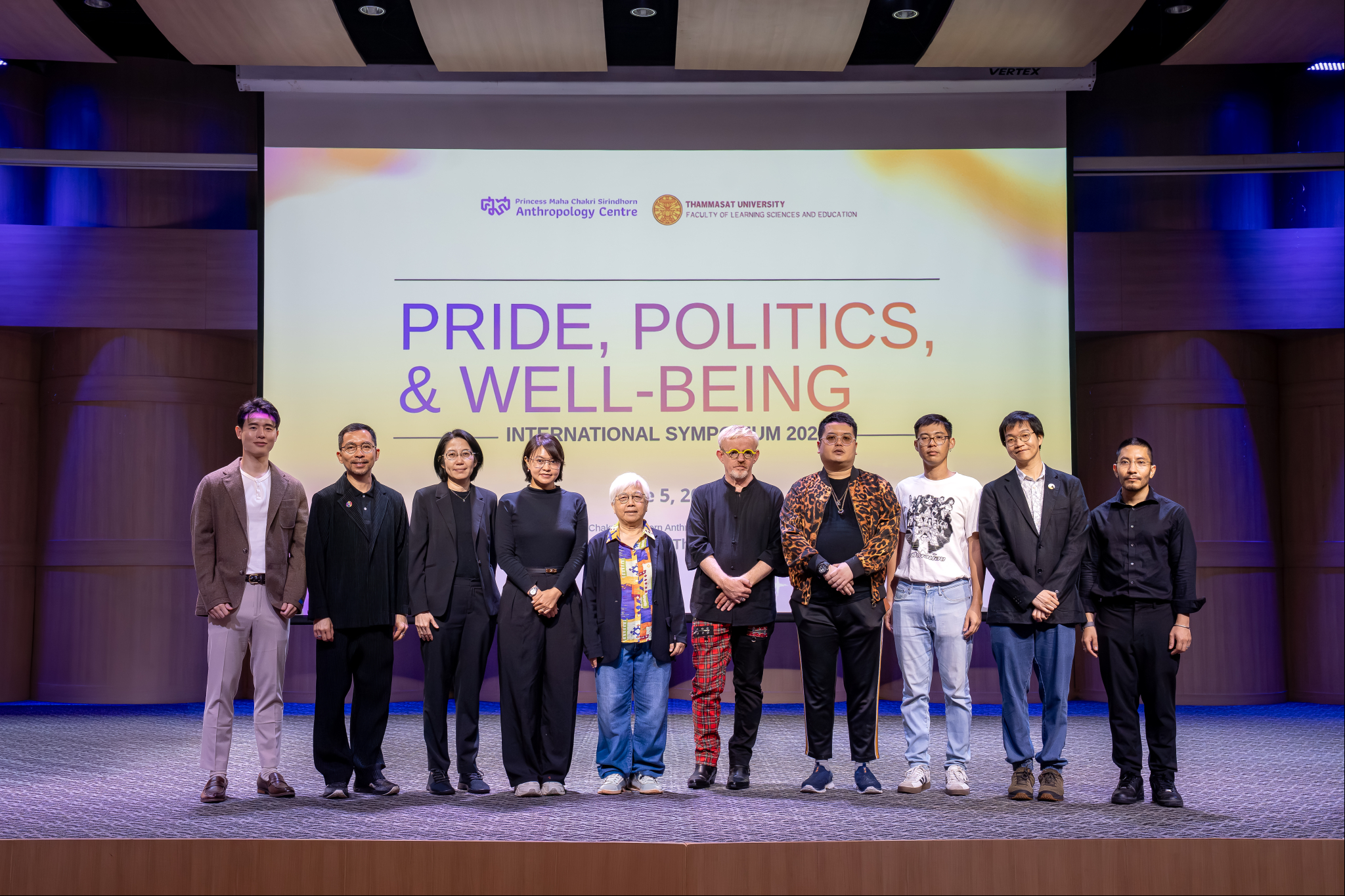
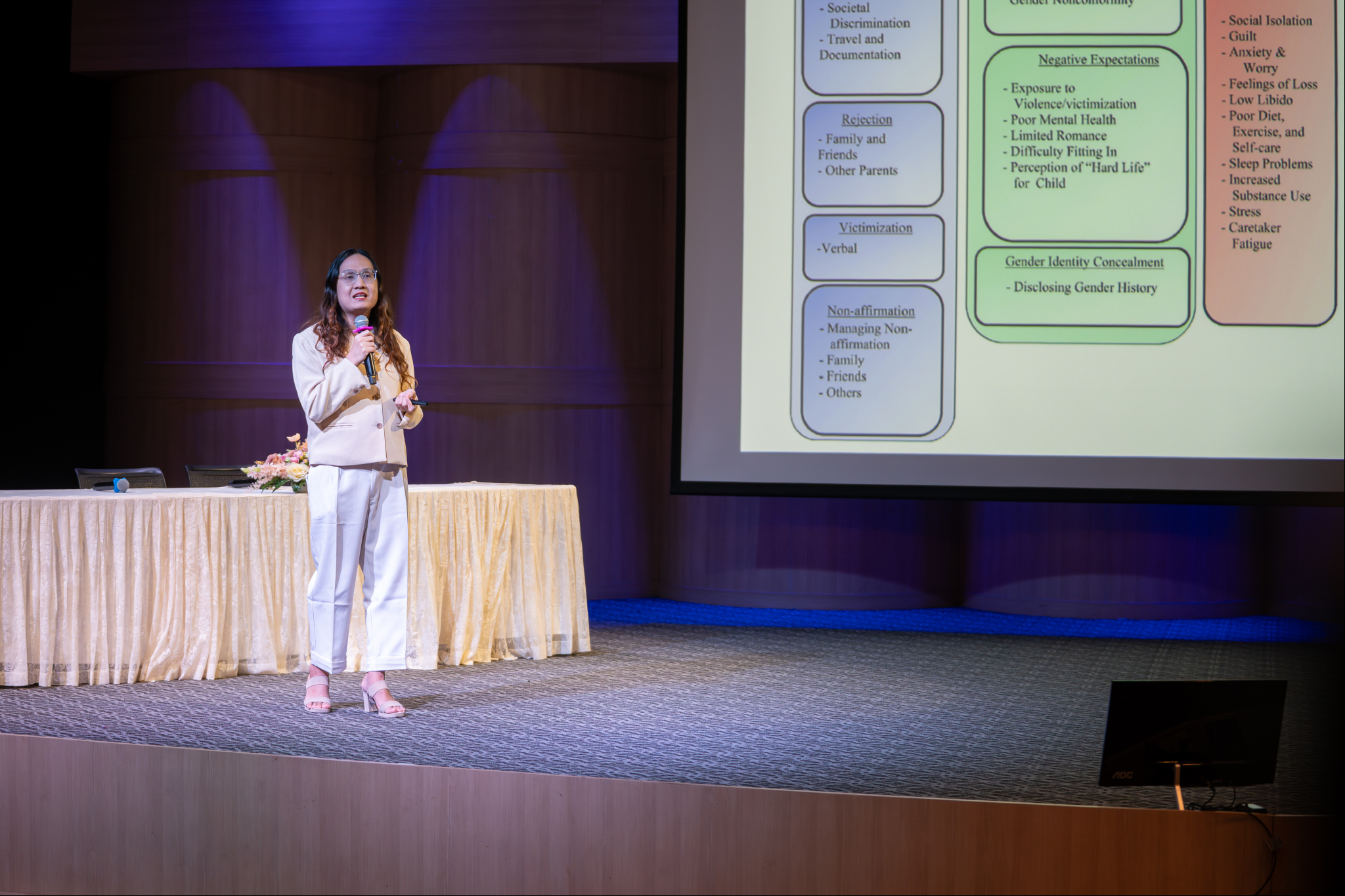
ในเวที PRIDE, POLITICS, & WELL-BEING เมื่อวันที่ 5 มิถุนายน 2569 ณ ศูนย์มานุษยวิทยาสิรินธร (องค์การมหาชน) รองศาสตราจารย์ ดร.นันท์ชัตสัณห์ สกุลพงศ์ (อ.กีตาร์) จากสถาบันวิจัยพฤติกรรมศาสตร์ มหาวิทยาลัยศรีนครินทรวิโรฒ นำเสนอผลงานวิจัยเรื่อง “ปัจจัยปกป้องต่อการใช้สุราและสารกระตุ้นเพื่อเพิ่มความสุขทางเพศในผู้หญิงข้ามเพศ: การวิจัยเชิงคุณภาพ” ซึ่งชวนให้มองว่า การใช้สุราหรือสารกระตุ้นเพื่อเพิ่มความสุขทางเพศในกลุ่มผู้หญิงข้ามเพศนั้นมีที่มาจากการถูกตีตรา การเลือกปฏิบัติจากสังคม การปิดบังตนเอง การแสวงหาการยอมรับจากครอบครัว และการพยายามดูแลหัวใจของตัวเองในวันที่สังคมยังไม่โอบรับคนข้ามเพศ
งานวิจัยชิ้นนี้จึงไม่ได้พูดแค่เรื่อง “ความเสี่ยง” แต่กำลังพาเราไปดูว่า อะไรคือสิ่งที่ช่วยให้ผู้หญิงข้ามเพศยังคงรักตัวเอง ดูแลตัวเอง และใช้ชีวิตต่อไปได้โดยไม่ต้องพึ่งสุราหรือสารกระตุ้นเพื่อเติมเต็มความรู้สึกทางใจและทางเพศ
ปัญหาไม่ได้อยู่ที่การเป็นคนข้ามเพศ แต่อยู่ที่สังคมปฏิบัติต่อคนข้ามเพศอย่างไร
เพื่อทำความเข้าใจสุขภาพจิตของผู้หญิงข้ามเพศ อ.กีตาร์ อธิบายผ่านกรอบคิด Gender Minority Stress and Resilience (GMSR) ซึ่งชวนมองว่า ปัญหาสุขภาพจิตของคนข้ามเพศไม่ได้เกิดจากอัตลักษณ์ทางเพศของพวกเขาเอง แต่เกิดจากการใช้ชีวิตอยู่ในสังคมที่ยังไม่โอบรับคนข้ามเพศได้มากนัก
ความเครียดระดับแรกคือ “ความเครียดส่วนไกล” ซึ่งมาจากสภาพแวดล้อมภายนอก ไม่ว่าจะเป็นการถูกเลือกปฏิบัติ การถูกปฏิเสธอัตลักษณ์ทางเพศ หรือการใช้ชีวิตอยู่ในพื้นที่ที่ยังออกแบบโดยยึดเพศหญิงและเพศชายเป็นหลัก ตั้งแต่หอพัก ห้องน้ำ สถานพยาบาล ไปจนถึงระบบบริการต่าง ๆ ที่ยังไม่รองรับคนข้ามเพศ
เมื่อเผชิญประสบการณ์เหล่านี้ซ้ำ ๆ ความเครียดจากภายนอกจึงเคลื่อนเข้ามาเป็น “ความเครียดส่วนใกล้” ที่เกิดขึ้นภายในตัวบุคคล บางคนเริ่มไม่มั่นใจในตัวเอง กลัวการถูกปฏิเสธ ไม่กล้าเปิดเผยอัตลักษณ์ทางเพศ หรือพยายามปกปิดตัวตนเพื่อหลีกเลี่ยงปฏิกิริยาเชิงลบจากคนรอบข้าง และการตีตราตนเอง
ผลที่เกิดขึ้นจากความเครียดส่วนไกลและส่วนใกล้นั้นไม่ใช่เพียงแค่ปัญหาสุขภาพจิตในคนข้ามเพศแต่เพียงเท่านั้น แต่ยังส่งผลย้อนกลับไปยังเจตคติของคนในสังคมแง่ภาพจำที่สร้างขึ้นต่อผู้หญิงข้ามเพศ ไม่ว่าจะเป็นการมองว่าผู้หญิงข้ามเพศหลอกลวงผู้ชาย ไม่รักตัวเอง หรือไม่ภูมิใจในตัวตนของตัวเอง ทั้งที่หลายครั้งความรู้สึกเหล่านี้เป็นผลจากการเผชิญการตีตราและการเลือกปฏิบัติมาอย่างต่อเนื่อง
อย่างไรก็ตาม โมเดลนี้ไม่ได้มองเห็นเพียงความเปราะบาง แต่ยังชี้ให้เห็น "ปัจจัยปกป้อง" ที่ช่วยให้คนข้ามเพศสามารถรับมือกับแรงกดดันเหล่านี้ได้ ไม่ว่าจะเป็นการมีความภาคภูมิใจในอัตลักษณ์ของตนเอง การมีชุมชนที่เข้าใจ หรือการได้อยู่ในสภาพแวดล้อมที่ยืนยันและเคารพตัวตนของพวกเขา
สำหรับ อ.กีตาร์ ความภาคภูมิใจในอัตลักษณ์ทางเพศไม่ได้เกิดขึ้นจากตัวบุคคลเพียงลำพัง แต่ค่อย ๆ ก่อตัวขึ้นผ่านความสัมพันธ์กับผู้คนรอบตัว ชุมชน และสังคมที่ส่งสัญญาณว่าพวกเขามีคุณค่าและสามารถเป็นตัวเองได้อย่างปลอดภัย เมื่อมีพื้นที่เช่นนั้น สุขภาพจิตของคนข้ามเพศจึงมีโอกาสเข้มแข็งขึ้น และไม่จำเป็นต้องเผชิญความเปราะบางเพียงลำพังอีกต่อไป
3 สิ่งที่ช่วยปกป้องผู้หญิงข้ามเพศจากการใช้สารเสพติด
จากงานวิจัยเชิงคุณภาพที่ทำการสัมภาษณ์ผู้หญิงข้ามเพศต่อประสบการณ์ที่เกี่ยวข้องกับการใช้สุราและ Chemsex อ.กีตาร์ พบว่ามีปัจจัยสำคัญ 3 ประการที่ปรากฏร่วมกันในกลุ่มผู้ที่สามารถหลีกเลี่ยงหรือก้าวออกจากวงจรการใช้สารเสพติดได้ ได้แก่ การดูแลเรือนร่าง ความผูกพันกับครอบครัว และพลังของชุมชนคนข้ามเพศ
1. การดูแลร่างกายและอัตลักษณ์ความเป็นผู้หญิงของตนเอง ผู้หญิงข้ามเพศจำนวนมากมองว่าการใช้สุราและสารกระตุ้นส่งผลต่อรูปลักษณ์ สุขภาพร่างกาย และสัมพันธ์กับระดับฮอร์โมนในร่างกายที่ช่วยยืนยันอัตลักษณ์ทางเพศ โดยเชื่อว่าหากใช้สารเป็นเวลานาน ร่างกายดูทรุดโทรม ผิวพรรณย่ำแย่ ไม่ได้งดงามตามแบบฉบับที่ผู้หญิงควรเป็น หรือทำให้เกิดปัญหาสุขภาพจากการติดเชื้อทางเพศสัมพันธ์ ในขณะที่ผู้หญิงข้ามเพศหลายคนเชื่อว่าการดื่มสุราอาจส่งผลต่อประสิทธิภาพของระดับฮอร์โมนเพศหญิงที่ลดลง ดังนั้นการงดหรือหยุดใช้สุราจึงมีความหมายในการคงความงามภายใต้รูปลักษณ์ของความเป็นหญิงตามที่สังคมปรารถนาได้
2. สายใยของครอบครัว ผู้หญิงข้ามเพศหลายคนเติบโตมาพร้อมความรู้สึกว่าครอบครัวอาจต้องเผชิญแรงกดดันจากการมีลูกเป็นคนข้ามเพศ พวกเธอจึงพยายามทำงาน สร้างรายได้ และดูแลพ่อแม่เพื่อทดแทนบุญคุณ การหลีกเลี่ยงสุราและสารเสพติดจึงเชื่อมโยงกับความรับผิดชอบต่อครอบครัว เพราะหากชีวิตได้รับผลกระทบจากการใช้สาร ก็อาจไม่สามารถทำงานหรือดูแลคนที่รักได้อย่างที่ตั้งใจ
3. พลังของชุมชนพี่สาวน้องสาว (Sisterhood) การมีโอกาสใช้ชีวิตและทำงานร่วมกับผู้หญิงข้ามเพศคนอื่น ๆ ทำให้ผู้ให้สัมภาษณ์จำนวนมากได้รับทั้งแบบอย่าง การดูแล และพื้นที่ปลอดภัยในการเป็นตัวเอง ความสัมพันธ์แบบพี่สาว-น้องสาวไม่ได้ทำหน้าที่เพียงให้คำแนะนำเรื่องการหลีกเลี่ยงสารเสพติด แต่ยังช่วยถ่ายทอดประสบการณ์ชีวิต การดูแลสุขภาพ การสร้างความสัมพันธ์ และการรับมือกับความท้าทายในฐานะผู้หญิงข้ามเพศอีกด้วย
ท้ายที่สุดแล้ว อ.กีตาร์ มองว่า ผลการศึกษานี้ไม่ได้สะท้อนเพียงเรื่องการใช้สุราหรือสารกระตุ้น แต่กำลังชี้ให้เห็นความสำคัญของ Gender Affirming Care (GAC) หรือการดูแลที่ยืนยันอัตลักษณ์ทางเพศ ไม่ว่าจะเป็นการเข้าถึงฮอร์โมน การได้รับการยอมรับจากครอบครัว หรือการมีชุมชนที่โอบรับตัวตนของตนเอง เพราะเมื่อผู้หญิงข้ามเพศรู้สึกว่าพวกเขาได้รับการมองเห็นและมีคุณค่าในฐานะของผู้หญิงคนหนึ่ง ก็จะมีโอกาสที่จะก้าวออกจากวงจรความเปราะบางและการพึ่งพาสารเสพติดได้มากขึ้นเช่นกัน
เรียบเรียงโดย เอกนรี นาวี
[English version]
Fulfilling Identity: Protecting Transgender Individuals from Substance Use
A significant number of transgender women grow up in a society where they constantly feel the need to prove themselves, proving that they are feminine enough, beautiful enough, or strong enough to handle the stares and judgments of those around them. Yet beneath the facade of confidence and beauty lies deep-seated stress, isolation, and a vulnerability that often goes unspoken.
At the "PRIDE, POLITICS, & WELL-BEING" forum on June 5, 2026, at the Princess Maha Chakri Sirindhorn Anthropology Centre (Public Organization), Associate Professor Dr. Nanchatsan Sakunpong (Ajarn Guitar) from the Behavioral Science Research Institute, Srinakharinwirot University, presented her research titled "Protective Factors against Alcohol and Chemsex Use among Transwomen: A Qualitative Study." The study invites the audience to see that alcohol or substance use among transgender women often stems from social pressures, family acceptance dynamics, and internal coping mechanisms in a world that has yet to fully embrace gender diversity.
Rather than focusing solely on "risk," this research guides us to look at the other side of the equation: what helps transgender women continue to love themselves, practice self-care, and move forward in life without relying on alcohol or stimulants to fulfill their emotional and sexual needs.
The Problem Isn't Being Transgender; It's How Society Treats Transgender People
To understand the mental health landscapes of transgender women, Ajarn Guitar utilizes the Gender Minority Stress and Resilience (GMSR) framework. This model suggests that the mental health struggles faced by transgender individuals do not inherent stem from their gender identity itself, but from the experience of navigating a society that does not yet fully embrace gender diversity.
The first tier of stress is "distal stress," which originates from the external environment. This includes facing overt discrimination, experiencing the rejection of one's gender identity, or simply living in spaces strictly designed around the male-female gender binary. Examples range from institutional structures like dormitories, public restrooms, and healthcare facilities to general service systems that fail to accommodate transgender individuals.
When individuals encounter these external barriers repeatedly, the stress shifts inward to become "proximal stress."Over time, some individuals begin to lose self-confidence, internalize a fear of rejection, hesitate to openly disclose their gender identity, or actively conceal their true selves just to avoid negative reactions from those around them and self-stigma.
The effects of distal and proximal stress are not confined to mental health problems among transgender individuals alone. They may also shape broader societal attitudes by reinforcing stigmatizing stereotypes about transgender women, such as perceptions that they are deceptive toward men, lack self-acceptance, or are not proud of their identities. Importantly, however, these emotional struggles and self-perceptions are often themselves consequences of persistent exposure to stigma and discrimination.
However, the GMSR model does not look exclusively at vulnerability; it highlights "protective factors" that empower transgender individuals to cope with these pressures. These factors include possessing a strong sense of pride in one's identity, having access to an understanding community, or being anchored in an environment that actively affirms and respects who they are.
Pride in one's gender identity does not develop in isolation. Rather, it is gradually forged through relationships with surrounding people, the community, and a society that signals that they are valued and can safely be themselves. When such a space exists, the mental health of transgender individuals has a chance to grow resilient, and they no longer have to face vulnerability entirely alone.
3 Pillars Protecting Transgender Women from Substance Use
Through qualitative interviews detailing transgender women's experiences with alcohol and Chemsex, Ajarn Guitar identified three core protective factors shared among those who successfully avoided or broke free from the cycle of substance use:
1. Caring for the Body and Feminine Identity: Many transgender women perceive alcohol and stimulant use as affecting physical appearance, bodily health, and hormone levels that are central to the affirmation of their gender identity. They believe that prolonged substance use causes bodily deterioration, poorer skin condition, and a loss of the beauty associated with socially idealized femininity, as well as increasing vulnerability to health problems, including sexually transmitted infections. At the same time, many transgender women believe that alcohol consumption may reduce the effectiveness of feminizing hormone therapy. Accordingly, reducing or discontinuing alcohol use may carry important symbolic and practical meaning in preserving beauty and maintaining a feminine appearance in ways that align with social expectations.
2. The Anchor of Family Bonds: Many transgender women grow up with the awareness that their families may face societal pressures or stigma for raising a transgender child. Consequently, they strive to work hard, generate income, and take care of their parents as an expression of gratitude. Avoiding alcohol and drugs is thus deeply linked to family responsibility; letting substance use derail their lives would mean failing to support or care for the loved ones who rely on them.
3. The Power of Sisterhood within the Community: Having opportunities to live and work alongside other transgender women provides crucial role models, peer care, and a safe space to exist authentically. This sisterhood dynamic goes far beyond merely offering advice on avoiding substances. It serves as an organic platform for sharing life experiences, health maintenance strategies, relationship advice, and practical ways to navigate the unique structural challenges faced by transgender women.
Ultimately, Ajarn Guitar emphasizes that the findings of this study extend far beyond the scope of substance use prevention. They underscore the absolute necessity of comprehensive Gender-Affirming Care (GAC), which encompasses safe access to hormones, acceptance within the family unit, and the presence of an affirming community. When transgender women feel genuinely seen and valued for being women, their capacity to step away from cycles of vulnerability and substance dependence increases significantly.
[This article was translated with the assistance of AI-based language tools. The final text was reviewed and edited by a human editor.]